
A new over-the-horizon radar is under construction in Kaliningrad, The Times reports, with a detection range of up to 3,000 km for aircraft and missiles. That reach would extend over Germany, France and the U.K. Satellite analysis by Finnish firm Iceye also points to growing Russian military infrastructure across the Baltic region.
Day: October 20, 2026
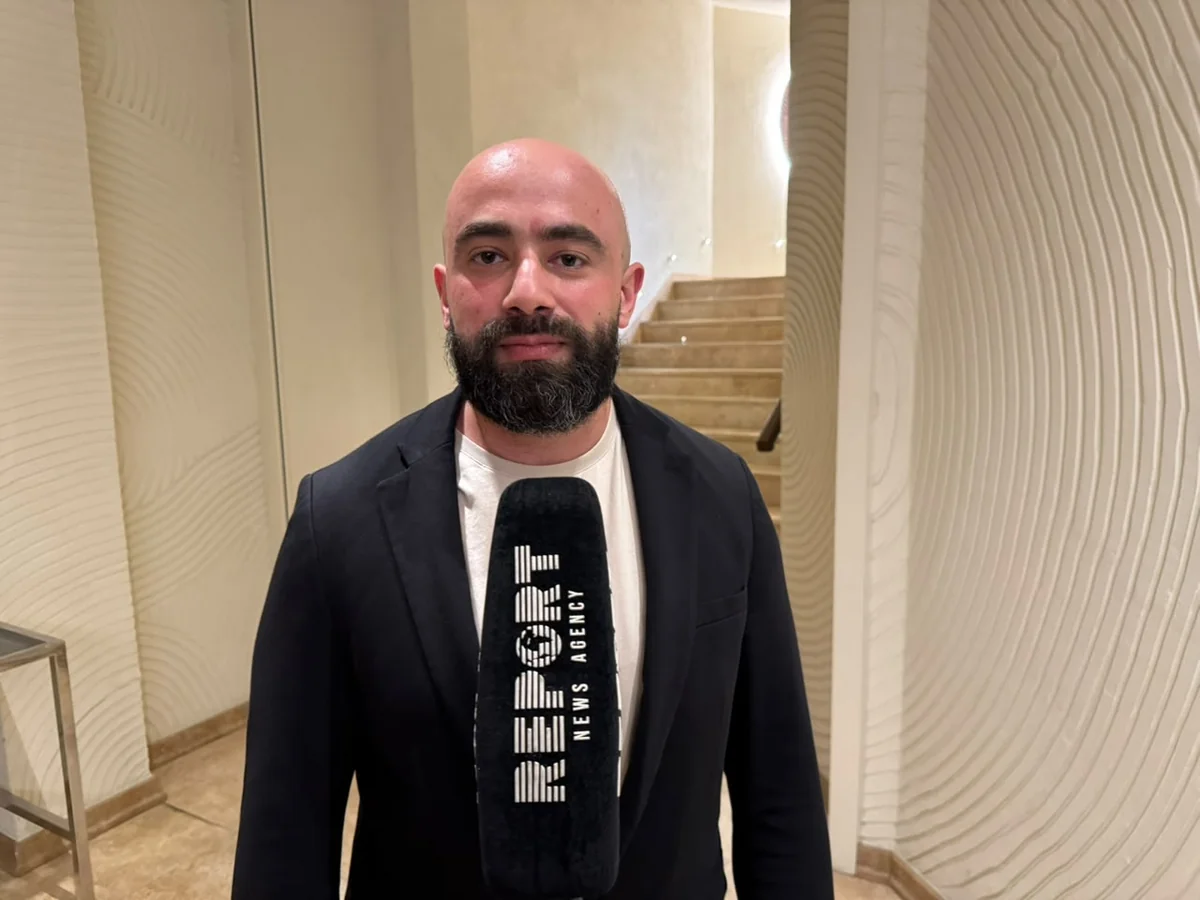
Further development of cooperation between Azerbaijan and Georgia in regional security, energy, and transport infrastructure is extremely important, Georgian political analyst Archil Sikharulidze, founder of the SIKHA Foundation research institute, told Report.
According to him, relations between the two countries have a strong foundation; however, at the subsequent stage of bilateral cooperation, special attention should be paid to regional security and connectivity opportunities between the countries.
The political analyst noted that ensuring security in the region is impossible through the efforts of a single country alone, making an approach that considers regional processes among Azerbaijan, Georgia, Armenia, Türkiye, Iran, and Russia, as well as ensuring infrastructure reliability, essential.
Sikharulidze emphasized the significance of mutual respect and regional cooperation in developing relations between Azerbaijan and Georgia.
He stated that the friendship and close cooperation forged between Azerbaijan and Georgia since 1991 must continue to develop.
According to the expert, transitioning to regional cooperation at the next stage – particularly strengthening ties in security, energy, and infrastructure – is of key importance.

Возможна ли встреча Трампа и Путина при посредничестве Си
Цзиньпина? Анализируем перспективы завершения войны.
Виталий Кулик, директор Центра исследований проблем
гражданского общества, разбирает текущую геополитическую
ситуацию. Обсуждаем возможный формат контактов между
мировыми лидерами и шансы на реальные подвижки в вопросе
глобальной безопасности.
Цзиньпина? Анализируем перспективы завершения войны.
Виталий Кулик, директор Центра исследований проблем
гражданского общества, разбирает текущую геополитическую
ситуацию. Обсуждаем возможный формат контактов между
мировыми лидерами и шансы на реальные подвижки в вопросе
глобальной безопасности.
💥 СТАНЬ СПОНСОРОМ КАНАЛА: https://www.youtube.com/channel/UCa85JIfBxZgcrsd8Ar7Z9nw/join
📲 FREEДОМ в WhatsApp — ПОДПИШИСЬ: https://whatsapp.com/channel/0029Vatf6diLdQebzJvwpl18
🔴 СМОТРИТЕ ПРЯМОЙ ЭФИР: https://youtube.com/live/7KK_x1fZUEU
#ICTV #FREEДОМ #новости #Трамп #Путин #СиЦзиньпин #геополитика #новости #война #политика #переговоры #сша #россия
Voters in Alberta chose to stay in Canada by a convincing margin in a historic referendum on Monday, according to projections from the CBC, staving off an economic and political crisis that Prime Minister Mark Carney argued the country could ill afford on.wsj.com/4dO6NbS
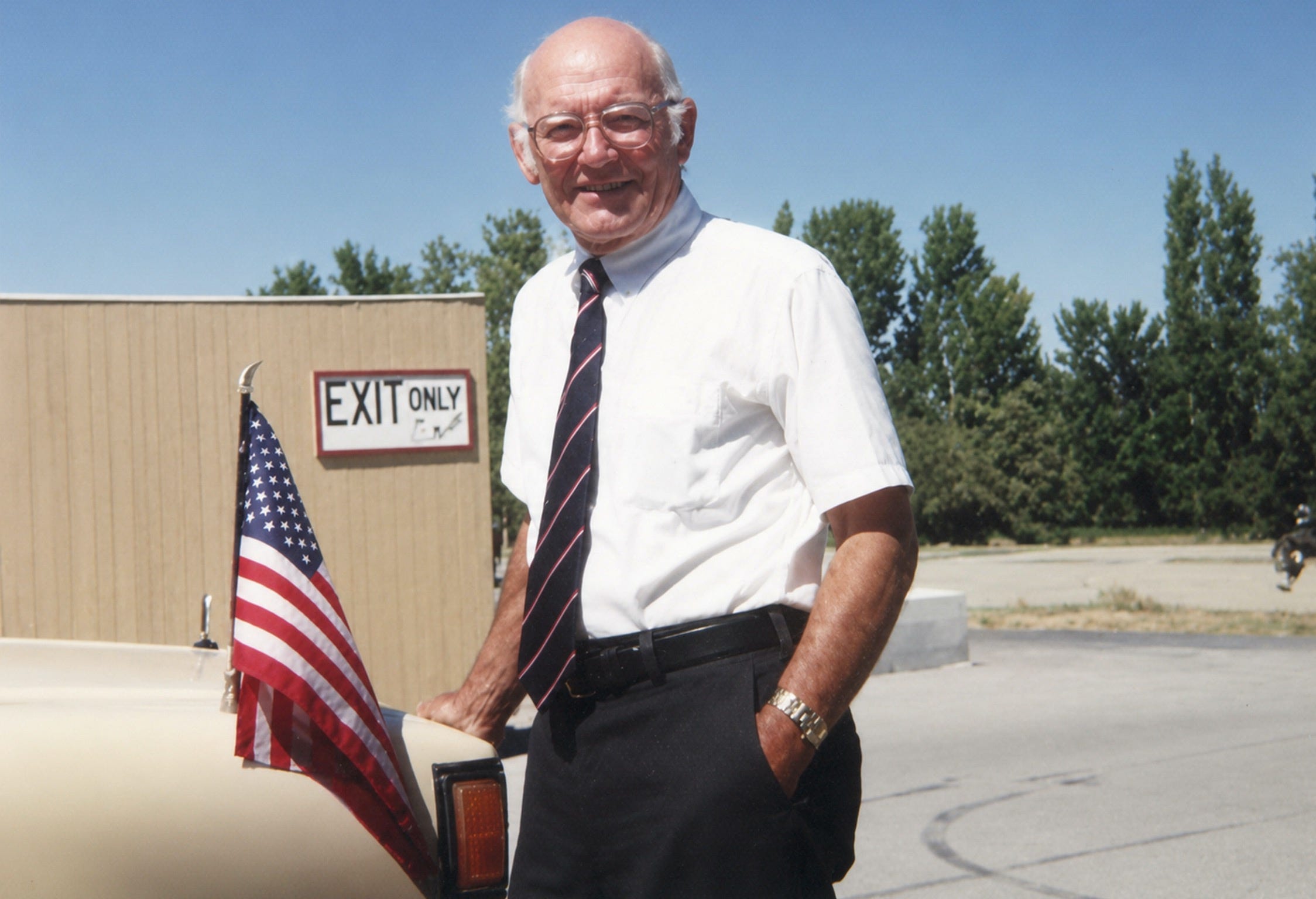
Charles K. Boles had every reason to feel exhilarated as he strode into the State Department in Foggy Bottom at the end of May 1979. A seasoned foreign service officer, “Chuck,” as everyone knew him, had been lauded by his bosses as one of the best writers in the department’s Office of Security (or SY as it was then known). And he had one hell of a story to tell.
Boles was returning from his post in Kabul, Afghanistan. There, on Valentine’s Day three months earlier, his friend, the U.S. Ambassador Adolph “Spike” Dubs, had been kidnapped and murdered.
State ordered Chuck, a former U.S. Marine sergeant and Vietnam veteran, to head the investigation. His casework had already drawn praise from the brass as “truly outstanding.” Now, after more than three months of relentless inquiry, he was greeted warmly by colleagues in State’s second-floor security branch.
Waiting for him was the trove of evidence he and his regional supervisor, Ron Kelly, had cabled and sent via diplomatic pouch from Embassy Kabul on a daily basis throughout the investigation. This precaution was needed given the two leading suspects in Spike’s murder: the Moscow-backed communist Afghan regime of the day, and the dominant foreign intelligence agency in Kabul—the Kremlin’s KGB.
🇰🇵 Amid rumors that Kim Jong Un had fallen into a coma, North Korea’s KCNA published photos of him “inspecting a clothing and footwear exhibition site” with his wife Ri Sol-ju and daughter Kim Ju-ae, presented as “proof of life”.
The images appeared the day after British tabloid The Sun, citing unverified rumors, claimed he had suffered a brain hemorrhage, slipped into a coma, and been taken to China for treatment.
There is no independent confirmation of when the photos were taken. Kim was last seen on October 11 inspecting a defense museum in Pyongyang. North Korean authorities have not commented on the health rumors.
