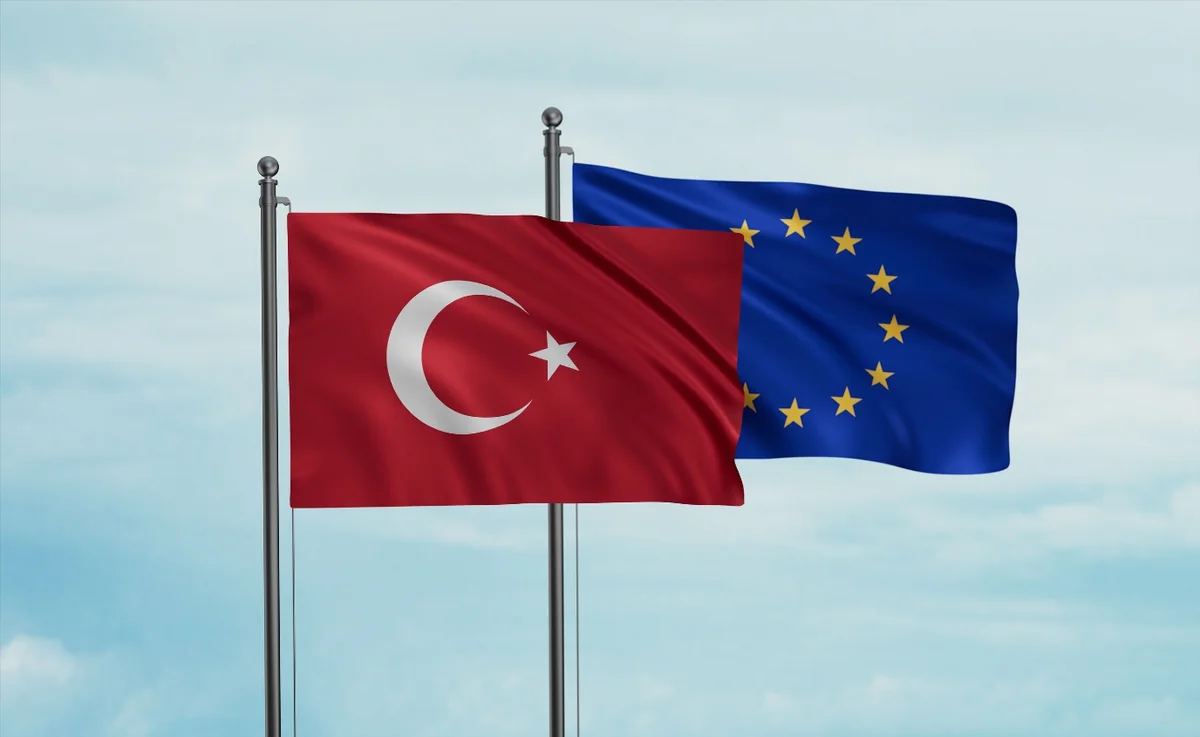
Türkiye believes the European Union (EU) should take into account the country’s deep industrial integration with European economies when developing new rules to support manufacturing and implement the Made in EU initiative.
According to Report‘s European bureau, Turkish Trade Minister Omer Bolat made the remarks during a briefing in Brussels following the high-level EU-Türkiye Trade Dialogue.
“Türkiye and the EU have become so deeply integrated in industry over the past 30 years under the Customs Union framework that both sides, particularly in the automotive sector, depend on each other,” Bolat said.
According to the minister, the EU’s Industrial Accelerator Act initiative and the Made in EU concept should treat Türkiye as an equal partner from the outset.
“It is in the interest of both sides not to disrupt the Customs Union, supply chains, and industrial integration,” he stressed.
Bolat noted that the automotive industry is one of the clearest examples of the interdependence between the EU and Turkish economies.
He said automotive trade accounts for about 26% of bilateral goods trade, or approximately €55 billion annually. Investments by European car manufacturers in Türkiye total around €21 billion, while companies with European ownership account for 75% of the country’s vehicle production.
The minister emphasized that the existing level of integration benefits both sides in terms of investment, production, trade, and employment.
Responding to questions about the Made in EU discussions, EU Trade Commissioner for Trade Maroš Šefčovič said the European Commission’s proposals are aimed at strengthening Europe’s competitiveness and combating trade-distorting practices, including state subsidies.
The EU-Türkiye Customs Union, which covers industrial trade between the two sides, has been in force since 1996.