Categories
Blog and Tweets

The pardon of Henry Cuellar and Trump – Aliyev cordially transactional relationship


The pardon of Henry Cuellar and Trump – Aliyev cordially transactional relationship

AI Overview
U.S. President Donald Trump has granted a full pardon to Democratic Representative Henry Cuellar and his wife, Imelda, who were facing federal bribery and money laundering charges related to an Azerbaijani energy company. This pardon has been a major point of discussion in light of the alleged cordially transactional relationship between Trump and Ilham Aliyev, the President of Azerbaijan. [1, 2, 3]


The Pardon of Henry Cuellar

  • Details of the Charges: Cuellar and his wife were indicted in 2024 for allegedly accepting nearly $600,000 in bribes from an Azerbaijani state-owned energy company and a Mexican bank. In exchange, prosecutors alleged that Cuellar agreed to influence legislation favorable to Azerbaijan and deliver a pro-Azerbaijan speech on the House floor.
  • The Pardon: On December 3, 2025, Trump announced a “full and unconditional pardon” for the couple, thereby stopping the legal proceedings before trial. Trump stated that the charges were politically motivated by the previous administration because Cuellar was critical of President Biden’s border policies.
  • Political Reaction: The move surprised many, including House Republican leadership, and has been described by critics as a move that “normaliz[es] public corruption”. House Minority Leader Hakeem Jeffries, a Democrat, supported the pardon, calling the original indictment “very thin”. [1, 2, 4, 5, 6, 7, 8, 9]

Trump – Aliyev Transactional Relationship

The user’s query refers to the perceived “cordially transactional relationship” between Donald Trump and Azerbaijani President Ilham Aliyev. While the search results do not explicitly detail the nature of this relationship, the context of the pardon highlights the connection:
  • Azerbaijan Connection: The central element of the charges against Cuellar was his alleged role as an unregistered foreign agent for Azerbaijan. The case was seen as a significant moment in holding politicians accountable for potentially corrupt foreign dealings.
  • “Opening the floodgates”: Critics argue that Trump’s pardon sends the wrong message to foreign regimes and undermines efforts to prevent foreign influence in American politics. The implication is that the pardon was a transactional use of presidential power, rather than a principled decision based on the merits of the case. [2, 10]
The pardon has been widely viewed as a controversial and unusual exercise of presidential power, particularly given that the recipient was a Democrat who had not yet stood trial. [9]


AI responses may include mistakes.


Categories
News Review from The World Web Times

intermediate,medium,mid,middle作为“中间的”意思,怎么进行区别呢? – 知乎


intermediate和medium比较像,mid和middle比较像。所以分两组来说。 按词性来看,就仅看它们的形容词(mid就是个词缀,之后再细说) 前一组指的是“高中低”“大中小”的“中”,表示程度,即somewhere between two extremes。 例如, intermediate course 中等课程, small and medium-sized enterprises 中小企业。 后一组呢 …

Categories
Sites

Azerbaijan plans construction of several vocational education institutions


Azerbaijan will construct multiple vocational education institutions (VEIs) and carry out major renovations of existing ones to meet modern standards, Azernews reports.

The post Azerbaijan plans construction of several vocational education institutions – decree first appeared on The South Caucasus News – SouthCaucasusNews.com.


Categories
Sites

Azerbaijan tightens rules on cultural heritage protection


Amendments are being made to the Criminal Code, the Code of Administrative Offenses, the Laws “On the Protection of Historical and Cultural Monuments,” and “On Culture”, Azernews reports.

The post Azerbaijan tightens rules on cultural heritage protection first appeared on The South Caucasus News – SouthCaucasusNews.com.


Categories
Sites

TI-Georgia: Kulevi Oil Refinery May Raise Sanctions Evasion Suspicions in West


Transparency International (TI) Georgia, a local corruption watchdog, argued in its recent report that the Kulevi oil refinery on the Black Sea Coast may create conditions for Russian oil to be re-exported as a Georgian product, noting the West may see it as a sanctions evasion scheme for Moscow.

The USD 700 million refinery, promoted by the Georgian Dream government as one of the most important projects for the country’s energy security and independence, attracted spotlight and scrutiny following a Reuters report that it received its first shipment of Russian oil in October.

The October 21 report said that the cargo consisted of 105,340 metric tons of Siberian Light crude delivered by the tanker Kayseri from Russia’s Novorossiisk port on October 6. The shipment was supplied by Rusneft, a Russian oil company that TI-Georgia says may still be effectively controlled by its founder, oligarch Mikhail Gutseriev, who has faced Belarus-related sanctions in the West.

Following Reuters’ report, Georgia’s Revenue Service stated that neither the vessel, its owners, nor the consignor or consignee was under international sanctions. It said the cargo had been placed in a temporary customs warehouse for control procedures.

However, TI Georgia notes that three weeks after the shipment, on October 24, the Kayseri was added to the EU’s sanctions list targeting Russia’s “shadow fleet” of tankers facilitating the sale of Russian oil.

Owners and Russia Links

The TI report focused on the owners of the refinery and their possible Russia links.

According to the report, Black Sea Petroleum LLC, which operates the refinery, has undergone ownership changes: until December 2024, the company was 70% owned by Maka Asatiani, a Georgian business figure, and 30% by Trade Stone Iberia LLC, whose majority owner was also Asatiani.

On December 3, 2024, Asatiani’s company, MK Capital LLC, became the sole owner, the report says, while in February 2025, Dunamis LLC, owned by David Potskhveria, acquired 29.34% of Black Sea Petroleum after, according to TI-Georgia, contributing 911 million rubles (about GEL 28.4 million) to the company’s capital, bringing the total to GEL 96.8 million. Potskhveria has since also taken over as the company’s CEO.

The Supervisory Board includes former Economy Minister Levan Davitashvili, who was removed from his post in June 2024, as well as Vakhtang Chakhnashvili and Konstantine Gogelia, Asatiani’s husband.

Citing Business Research Group, a Georgian platform, TI-Georgia notes that Gogelia has long-standing business operations in Russia and is the founder of Nefteresurs and Arctic Bunker, with his companies operating terminals in Murmansk and Novorossiisk and involved in wholesale trade and transportation of solid, liquid, and gaseous fuels and similar products.

The watchdog also cites an investigation by the Russian outlet Agency (Агентство), which, drawing on journalistic investigation, reported that Asatiani’s son, Kakhi Zhordania, active in Russia’s oil sector, has business ties to Sergei Alekseev, son of Vladimir Alekseev, First Deputy Chief of the Main Directorate (GRU) of the General Staff of the Russian Armed Forces.

According to the report, since 2018, Zhordania has held a 25% stake in Russian company SDO-Logistic, where Alekeev has a 51% stake. The article also says Alekseev previously worked at Rusneft before moving into private business.

Questions Over Possible Sanctions Evasion

TI-Georgia references earlier reporting by investigative outlet iFact, which suggested that Russian fuel may be reaching Europe via Georgia, including pointing to a mismatch between the Georgian official oil export-import data with the data provided by other international authoritative databases.

TI-Georgia further cites an investigative piece by government-critical Formula TV, which claimed to have obtained a confidential U.S. government report – pointing to the U.S. Department of State as a source – warning of sanctions-evasion risks related to building the Kulevi refinery. Formula further said the “confidential document” identified Konstantine Gogelia as a Russian businessman with close ties to Russian military services and alleges that a company owned by his family has altered certificates of origin for Russian oil.

“Ultimately, the Kulevi oil refinery increases the likelihood of real or fictitious processing of Russian oil in Georgia and its export as a Georgian product. Western countries may see this as a scheme to circumvent oil-related sanctions imposed by them on Russia,” TI-Georgia concluded.

Also Read:

The post TI-Georgia: Kulevi Oil Refinery May Raise Sanctions Evasion Suspicions in West first appeared on The South Caucasus News – SouthCaucasusNews.com.

The post TI-Georgia: Kulevi Oil Refinery May Raise Sanctions Evasion Suspicions in West first appeared on The World Web Times – worldwebtimes.com.


Categories
Sites

SOCAR and UCC Holding to establish joint venture for fuel supply at Damascus Airport


The State Oil Company of Azerbaijan (SOCAR) and UCC Holding have signed a new Memorandum of Understanding (MoU) aimed at organizing fuel supply to Damascus International Airport, Azernews reports.

The post SOCAR and UCC Holding to establish joint venture for fuel supply at Damascus Airport first appeared on The South Caucasus News – SouthCaucasusNews.com.

The post SOCAR and UCC Holding to establish joint venture for fuel supply at Damascus Airport first appeared on The World Web Times – worldwebtimes.com.


Categories
Sites

TI-Georgia: Kulevi Oil Refinery May Raise Sanctions Evasion Suspicions in West


Transparency International (TI) Georgia, a local corruption watchdog, argued in its recent report that the Kulevi oil refinery on the Black Sea Coast may create conditions for Russian oil to be re-exported as a Georgian product, noting the West may see it as a sanctions evasion scheme for Moscow.

The USD 700 million refinery, promoted by the Georgian Dream government as one of the most important projects for the country’s energy security and independence, attracted spotlight and scrutiny following a Reuters report that it received its first shipment of Russian oil in October.

The October 21 report said that the cargo consisted of 105,340 metric tons of Siberian Light crude delivered by the tanker Kayseri from Russia’s Novorossiisk port on October 6. The shipment was supplied by Rusneft, a Russian oil company that TI-Georgia says may still be effectively controlled by its founder, oligarch Mikhail Gutseriev, who has faced Belarus-related sanctions in the West.

Following Reuters’ report, Georgia’s Revenue Service stated that neither the vessel, its owners, nor the consignor or consignee was under international sanctions. It said the cargo had been placed in a temporary customs warehouse for control procedures.

However, TI Georgia notes that three weeks after the shipment, on October 24, the Kayseri was added to the EU’s sanctions list targeting Russia’s “shadow fleet” of tankers facilitating the sale of Russian oil.

Owners and Russia Links

The TI report focused on the owners of the refinery and their possible Russia links.

According to the report, Black Sea Petroleum LLC, which operates the refinery, has undergone ownership changes: until December 2024, the company was 70% owned by Maka Asatiani, a Georgian business figure, and 30% by Trade Stone Iberia LLC, whose majority owner was also Asatiani.

On December 3, 2024, Asatiani’s company, MK Capital LLC, became the sole owner, the report says, while in February 2025, Dunamis LLC, owned by David Potskhveria, acquired 29.34% of Black Sea Petroleum after, according to TI-Georgia, contributing 911 million rubles (about GEL 28.4 million) to the company’s capital, bringing the total to GEL 96.8 million. Potskhveria has since also taken over as the company’s CEO.

The Supervisory Board includes former Economy Minister Levan Davitashvili, who was removed from his post in June 2024, as well as Vakhtang Chakhnashvili and Konstantine Gogelia, Asatiani’s husband.

Citing Business Research Group, a Georgian platform, TI-Georgia notes that Gogelia has long-standing business operations in Russia and is the founder of Nefteresurs and Arctic Bunker, with his companies operating terminals in Murmansk and Novorossiisk and involved in wholesale trade and transportation of solid, liquid, and gaseous fuels and similar products.

The watchdog also cites an investigation by the Russian outlet Agency (Агентство), which, drawing on journalistic investigation, reported that Asatiani’s son, Kakhi Zhordania, active in Russia’s oil sector, has business ties to Sergei Alekseev, son of Vladimir Alekseev, First Deputy Chief of the Main Directorate (GRU) of the General Staff of the Russian Armed Forces.

According to the report, since 2018, Zhordania has held a 25% stake in Russian company SDO-Logistic, where Alekeev has a 51% stake. The article also says Alekseev previously worked at Rusneft before moving into private business.

Questions Over Possible Sanctions Evasion

TI-Georgia references earlier reporting by investigative outlet iFact, which suggested that Russian fuel may be reaching Europe via Georgia, including pointing to a mismatch between the Georgian official oil export-import data with the data provided by other international authoritative databases.

TI-Georgia further cites an investigative piece by government-critical Formula TV, which claimed to have obtained a confidential U.S. government report – pointing to the U.S. Department of State as a source – warning of sanctions-evasion risks related to building the Kulevi refinery. Formula further said the “confidential document” identified Konstantine Gogelia as a Russian businessman with close ties to Russian military services and alleges that a company owned by his family has altered certificates of origin for Russian oil.

“Ultimately, the Kulevi oil refinery increases the likelihood of real or fictitious processing of Russian oil in Georgia and its export as a Georgian product. Western countries may see this as a scheme to circumvent oil-related sanctions imposed by them on Russia,” TI-Georgia concluded.

Also Read:

The post TI-Georgia: Kulevi Oil Refinery May Raise Sanctions Evasion Suspicions in West first appeared on The South Caucasus News – SouthCaucasusNews.com.


Categories
Sites

SOCAR and UCC Holding to establish joint venture for fuel supply at Damascus Airport


The State Oil Company of Azerbaijan (SOCAR) and UCC Holding have signed a new Memorandum of Understanding (MoU) aimed at organizing fuel supply to Damascus International Airport, Azernews reports.

The post SOCAR and UCC Holding to establish joint venture for fuel supply at Damascus Airport first appeared on The South Caucasus News – SouthCaucasusNews.com.


Categories
Sites

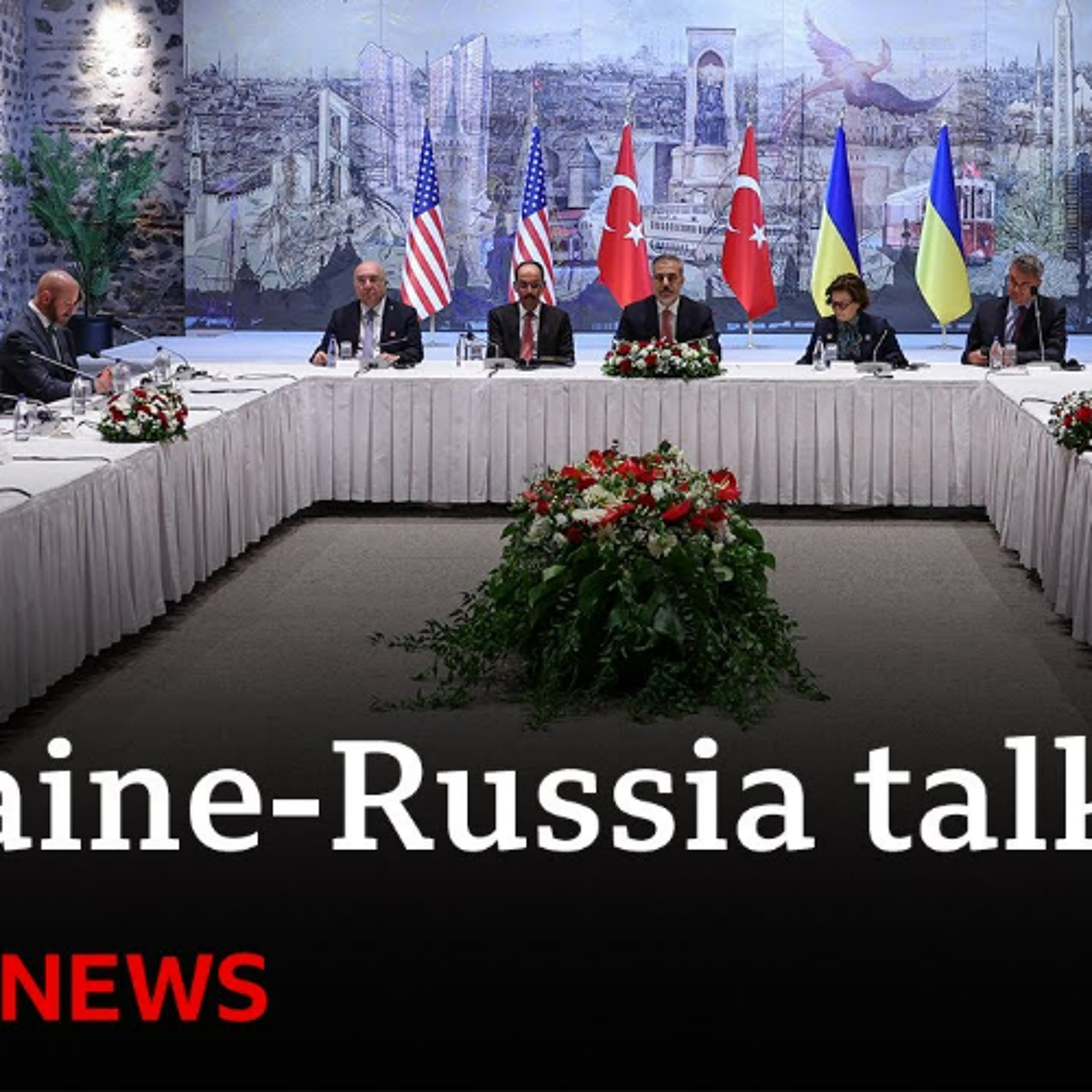
Переговоры Украина-Россия


https://thenewsandtimes.blogspot.com/2025/12/conversations-news-review.html

The post Переговоры Украина-Россия first appeared on October Surprise 2024 – octobersurprise-2024.org.