#CIA #FBI #Mossad
Leaders’ Psychology in Geopolitical Triangle -Gemini
gemini.google.com/share/ff93…
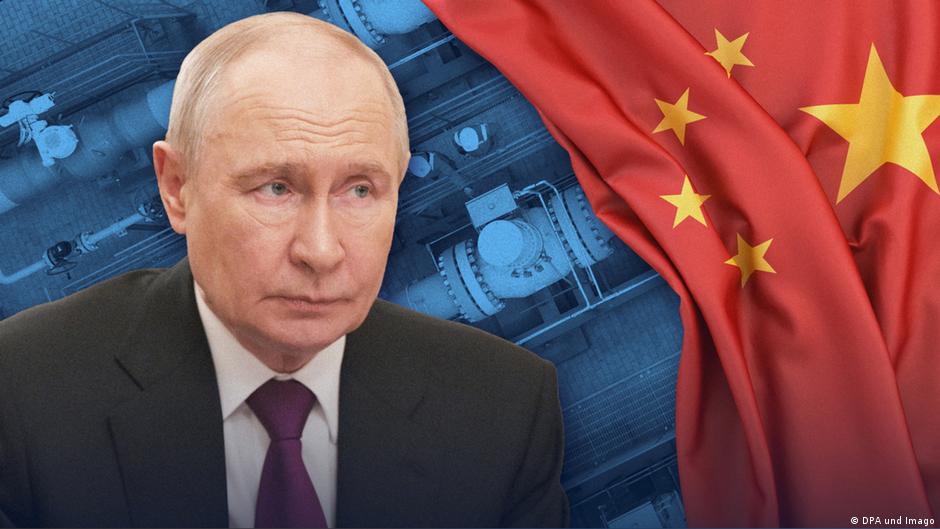
The geopolitical triangle formed by Donald Trump, Vladimir Putin, and Xi Jinping represents an era of highly personalized statecraft. In this environment, the psychological profiles, intrinsic motivations, and leadership styles of these global heads of state often override institutional guardrails, directly shaping grand strategy.When analyzing this triad through the lens of political personology and leadership trait analysis, the interplay is defined by three distinct psychological archetypes navigating dominance, validation, and historical grievance.
Psychological Profiles
Understanding the baseline traits of each leader clarifies their operational codes and decision-making frameworks.
LeaderTypology / ArchetypeCore MotivationsBehavioral StyleDonald Trump”Hot Charismatic” / Apolitical PoliticianInterpersonal dominance, transactionality, continuous public validationIntuitive, disruptive, extroverted, views diplomacy as zero-sumVladimir PutinExpansionist Hostile EnforcerHistorical grievance, restoration of prestige, sphere of influenceCalculating, cognitively rigid, emotionally detached, risk-tolerantXi JinpingMethodical CentralizerInstitutional dominance, domestic stability, national destinyRegulated, patient, risk-averse but resolute, stoic and impenetrable
The Interpersonal Dynamics
The friction and alignment between these leaders stem directly from how their psychological needs and operational styles intersect on the global stage.
Trump and Putin: The Validation-Manipulation Loop
The dynamic here is driven by Trump’s intuitive respect for “strongman” archetypes and Putin’s background as a trained intelligence operative. Putin recognizes Trump’s transactional nature and his susceptibility to flattery. By adopting a posture of respectful peerage, Putin provides the validation Trump seeks, subtly steering the relationship to reduce pressure on Russian strategic objectives. Trump’s “hot” charisma often leads him to seek personal rapport, while Putin’s “cold” charisma allows him to remain emotionally detached and strictly goal-oriented.
Trump and Xi: The Dominance Contradiction
Encounters between Trump and Xi are a study in contrasting psychological warfare. Trump typically attempts to establish immediate physical and psychological dominance—using aggressive body language, unpredictable public statements, and intense economic pressure. Xi counters this by refusing to engage on Trump’s emotional terms. By maintaining ceremonial distance, stoicism, and emotional restraint, Xi neutralizes Trump’s primary tactic. This dynamic often frustrates Trump’s desire for a definitive personal “win,” as Xi’s “long-game” patience absorbs rather than deflects the volatility.
Putin and Xi: The Asymmetric Partnership
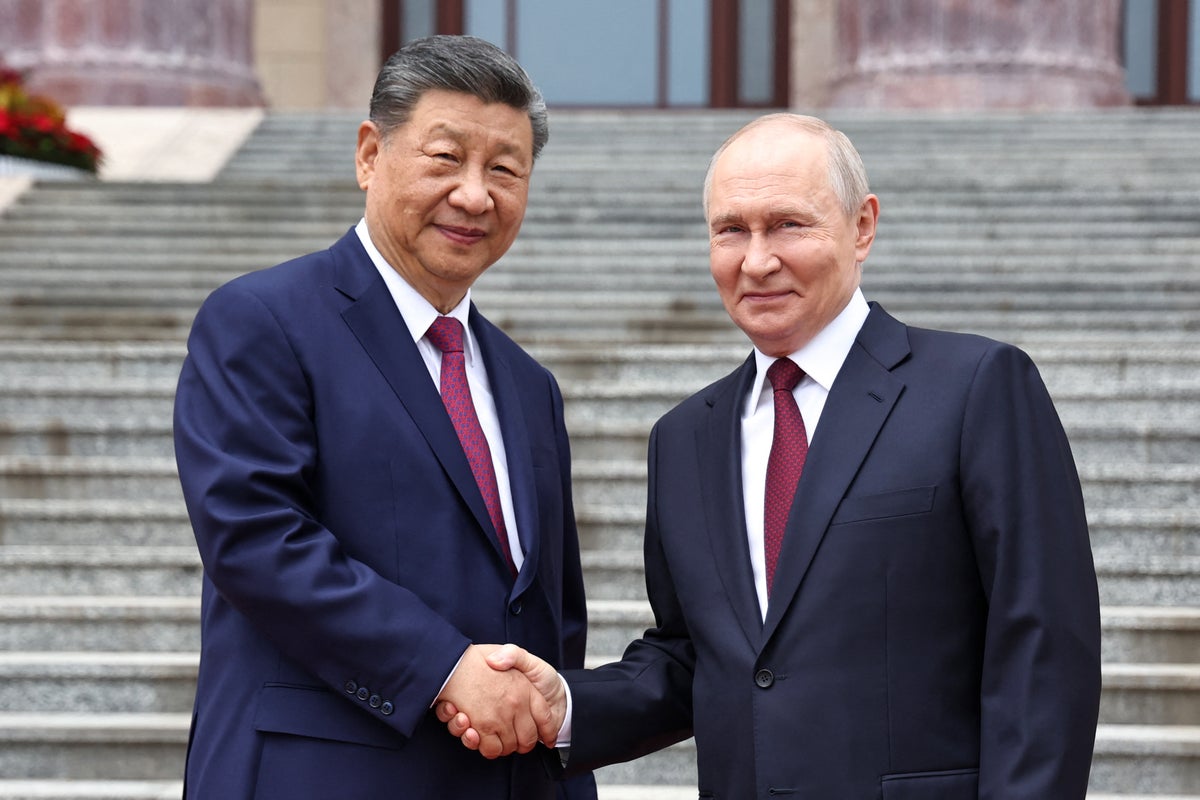
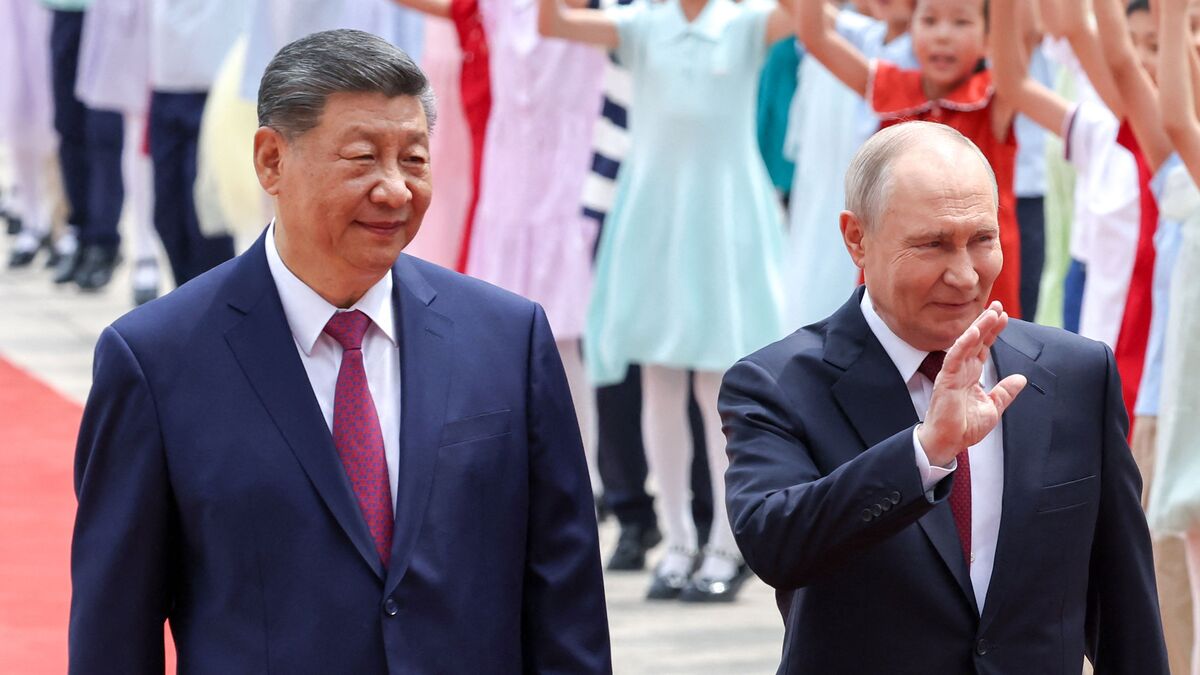
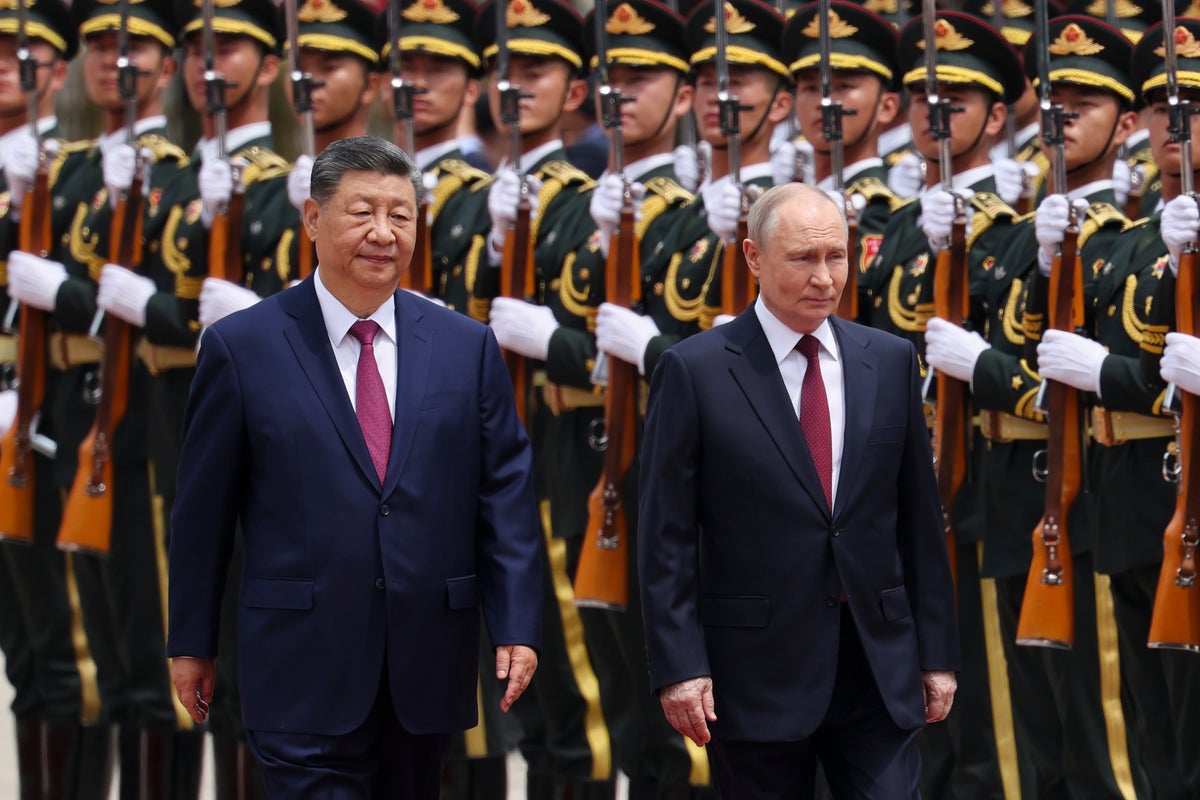
While not as overtly dramatic as their interactions with Trump, the Putin-Xi dynamic is the most strategically consequential. Both share an authoritarian mindset and a mutual desire to dismantle Western-led security frameworks. However, the psychological dynamic is one of an elder statesman (Putin) dealing with a more powerful, systematic partner (Xi). Putin acts as the disruptive vanguard, willing to take massive geopolitical risks, while Xi plays the cautious benefactor, leveraging Putin’s aggression to distract rivals while advancing China’s strategic interests methodically.
Xi Jinping’s Psychological Edge Over Trump: Decoding The Body Language
This breakdown explores the non-verbal cues and psychological posturing during diplomatic summits between the two leaders.
–AI Overview
Trump, Putin, Xi: the Geopolitical Triangle and the Interpersonal Dynamics, including the studies in Political Psychology – Google Search google.com/search?q=Trump%2C…
The interpersonal dynamics between Donald Trump, Vladimir Putin, and Xi Jinping—often described as a dysfunctional love triangle—form the core of the current global power shift. Rooted deeply in political psychology and ego-driven diplomacy, these leaders shape the geopolitical triangle through highly personalized interactions rather than traditional institutional alliances. [1, 2, 3]
The Interpersonal and Psychological FrameworkDonald Trump: Characterized by psychological profiles as highly transactional, extroverted, and deeply driven by personal relationships, respect, and showmanship. Trump often favors a direct, strongman-to-strongman negotiation style over rigid policy frameworks.
Vladimir Putin: Assessed in political psychology as an “expansionist hostile enforcer” and a highly suspicious, “vigilant” personality. Putin’s interactions are marked by historical grievance and a calculated use of information, leveraging Trump’s ego and unpredictability for Russian advantage.
Xi Jinping: Profiles as a confident, high-dominance extravert. During summits (such as the high-stakes meetings in Beijing), Xi uses a strategy of “controlled authority” and warm hospitality to disarm Trump, maintaining composure and strategic patience without ceding substantive ground. [2, 3, 4, 5, 6, 7, 8]The Geopolitical Triangle
The Russia-China Axis: Bound primarily by a shared anti-hegemonic outlook and mutual economic dependence. China remains Russia’s economic lifeline, while Moscow relies on Beijing-led outfits. Despite Trump’s attempts to drive a wedge between them, the two powers actively consult to prevent U.S. hegemony.
The U.S.-China Relationship: Driven by a blend of economic competition and strategic standoffs. While Trump’s administration aims to press China on trade and global influence, leaders in Beijing view their approach through the lens of long-term strategic stability, carefully managing state narratives regardless of short-term U.S. policy pivots.
The U.S.-Russia Relationship: Complex and heavily contingent on deal-making. Trump’s worldview that U.S. interests are best served by direct engagement—contrasted with the Biden administration’s refusal to treat Putin as a trusted partner—fundamentally alters how Washington navigates the crisis in Ukraine and broader international sanctions. [5, 9, 10, 11, 12, 13, 14]Source Verifications
For a deeper dive into the scholarly and geopolitical analysis, consider the following perspectives:Political Profiling: Review the academic breakdown of leadership styles presented at the International Society of Political Psychology.
Global Order Context: Analyze the Brookings Institution’s breakdown of how each leader interacts with the global order in the article Trump, Xi, Putin, and the axis of disorder.
Interpersonal Strategies: Read The Atlantic’s political analysis of For Trump, the Interpersonal Is Political to understand the psychological mechanisms in play.AI responses may include mistakes.
[1] theconversation.com/trump-xi…
[2] facebook.com/razasamo8/posts…
[3] facebook.com/razasamo8/posts…
[4] youtube.com/watch?v=7AxAj1LU…
[5] researchcentre.trtworld.com/…
[6] instagram.com/reel/DYVLYFigk…
[7] immelman.us/vladimir-putin/p…
[8] digitalcommons.csbsju.edu/cg…
[9] youtube.com/watch?v=2_O22ViB…
[10] lansinginstitute.org/2025/08…
[11] youtube.com/watch?v=XrxFymwH…
[12] chinaarticles.substack.com/p…
[13] theconversation.com/trump-xi…
Pic.:
[14] navigatingthevortex.com/p/tr…— Michael Novakhov (@mikenov) May 20, 2026
Day: May 20, 2026
Australia’s tax changes will re-wire investors to chase income https://t.co/4cM0TamONX https://t.co/4cM0TamONX
— Reuters (@Reuters) May 20, 2026
The post Australia’s tax changes will re-wire investors to chase income first appeared on October Surprise 2016 – octobersurprise2016.org.
Blackstone, the American investment company and the world’s largest private data center owner, has announced a $5 billion investment in a new joint venture with Google to develop cloud computing infrastructure powered by TPUs, specialized chips designed for artificial intelligence workloads, AzerNEWS reports.
The post Blackstone and Google launch $5 billion AI data center venture first appeared on The South Caucasus News – SouthCaucasusNews.com.
Categories
Putin and Putinism
Putin and Putinism May 20, 2026 Putin in China: Xi hosts Russian leader days after Trump visit Vladimir Putin will be looking to strengthen Moscow’s partnership with Beijing…. May 20, 2026 Putin’s China visit live: Russian leader meets Xi days after Trump The leaders of China and Russia leaders are meeting Wednesday for talks […]
The post Putin and Putinism first appeared on The News And Times Review – NewsAndTimes.org.
Leaders’ Psychology in Geopolitical Triangle gemini.google.com/share/ff93…
The geopolitical triangle formed by Donald Trump, Vladimir Putin, and Xi Jinping represents an era of highly personalized statecraft. In this environment, the psychological profiles, intrinsic motivations, and leadership styles of these global heads of state often override institutional guardrails, directly shaping grand strategy.When analyzing this triad through the lens of political personology and leadership trait analysis, the interplay is defined by three distinct psychological archetypes navigating dominance, validation, and historical grievance.
Psychological Profiles
Understanding the baseline traits of each leader clarifies their operational codes and decision-making frameworks.
LeaderTypology / ArchetypeCore MotivationsBehavioral StyleDonald Trump”Hot Charismatic” / Apolitical PoliticianInterpersonal dominance, transactionality, continuous public validationIntuitive, disruptive, extroverted, views diplomacy as zero-sumVladimir PutinExpansionist Hostile EnforcerHistorical grievance, restoration of prestige, sphere of influenceCalculating, cognitively rigid, emotionally detached, risk-tolerantXi JinpingMethodical CentralizerInstitutional dominance, domestic stability, national destinyRegulated, patient, risk-averse but resolute, stoic and impenetrable
The Interpersonal Dynamics
The friction and alignment between these leaders stem directly from how their psychological needs and operational styles intersect on the global stage.
Trump and Putin: The Validation-Manipulation Loop
The dynamic here is driven by Trump’s intuitive respect for “strongman” archetypes and Putin’s background as a trained intelligence operative. Putin recognizes Trump’s transactional nature and his susceptibility to flattery. By adopting a posture of respectful peerage, Putin provides the validation Trump seeks, subtly steering the relationship to reduce pressure on Russian strategic objectives. Trump’s “hot” charisma often leads him to seek personal rapport, while Putin’s “cold” charisma allows him to remain emotionally detached and strictly goal-oriented.
Trump and Xi: The Dominance Contradiction
Encounters between Trump and Xi are a study in contrasting psychological warfare. Trump typically attempts to establish immediate physical and psychological dominance—using aggressive body language, unpredictable public statements, and intense economic pressure. Xi counters this by refusing to engage on Trump’s emotional terms. By maintaining ceremonial distance, stoicism, and emotional restraint, Xi neutralizes Trump’s primary tactic. This dynamic often frustrates Trump’s desire for a definitive personal “win,” as Xi’s “long-game” patience absorbs rather than deflects the volatility.
Putin and Xi: The Asymmetric Partnership
While not as overtly dramatic as their interactions with Trump, the Putin-Xi dynamic is the most strategically consequential. Both share an authoritarian mindset and a mutual desire to dismantle Western-led security frameworks. However, the psychological dynamic is one of an elder statesman (Putin) dealing with a more powerful, systematic partner (Xi). Putin acts as the disruptive vanguard, willing to take massive geopolitical risks, while Xi plays the cautious benefactor, leveraging Putin’s aggression to distract rivals while advancing China’s strategic interests methodically.
Xi Jinping’s Psychological Edge Over Trump: Decoding The Body Language
This breakdown explores the non-verbal cues and psychological posturing during diplomatic summits between the two leaders.— Michael Novakhov (@mikenov) May 20, 2026
Today in 1969, soldiers of the U.S. Army’s 101st Airborne fight their way to the top of ‘Hamburger Hill’ (Hill 937). 72 GIs die in the 10-day battle for the summit. American estimates put NVA casualties at more than 600. The position, which has little strategic value, is soon abandoned by American and South Vietnamese forces.
— Military History Now (@MilHistNow) May 20, 2026
The post Today in 1969, soldiers of the U.S. Army’s 101st Airborne fight their way to the top of ‘Hamburger Hill’ (Hill 937). 72 GIs die in the 10-day battle for the summit. American estimates put NVA casualties at more than 600. The position, which has little strategic value, is soon abandoned by American and South Vietnamese forces. first appeared on October Surprise 2016 – octobersurprise2016.org.
The post Today in 1969, soldiers of the U.S. Army’s 101st Airborne fight their way to the top of ‘Hamburger Hill’ (Hill 937). 72 GIs die in the 10-day battle for the summit. American estimates put NVA casualties at more than 600. The position, which has little strategic value, is soon abandoned by American and South Vietnamese forces. first appeared on The World Web Times – worldwebtimes.com.
The post Today in 1969, soldiers of the U.S. Army’s 101st Airborne fight their way to the top of ‘Hamburger Hill’ (Hill 937). 72 GIs die in the 10-day battle for the summit. American estimates put NVA casualties at more than 600. The position, which has little strategic value, is soon abandoned by American and South Vietnamese forces. first appeared on The World Web Times – worldwebtimes.com.
The post Today in 1969, soldiers of the U.S. Army’s 101st Airborne fight their way to the top of ‘Hamburger Hill’ (Hill 937). 72 GIs die in the 10-day battle for the summit. American estimates put NVA casualties at more than 600. The position, which has little strategic value, is soon abandoned by American and South Vietnamese forces. first appeared on The World Web Times – worldwebtimes.com.
JPMorgan’s digital retail bank in Germany open for business reut.rs/4eXZcsC reut.rs/4eXZcsC
— @Reuters May 20, 2026
The post JPMorgan’s digital retail bank in Germany open for business http://reut.rs/4eXZcsC http://reut.rs/4eXZcsC first appeared on October Surprise 2016 – octobersurprise2016.org.
The post JPMorgan’s digital retail bank in Germany open for business http://reut.rs/4eXZcsC http://reut.rs/4eXZcsC first appeared on The World Web Times – worldwebtimes.com.
The post JPMorgan’s digital retail bank in Germany open for business http://reut.rs/4eXZcsC http://reut.rs/4eXZcsC first appeared on The World Web Times – worldwebtimes.com.
The post JPMorgan’s digital retail bank in Germany open for business http://reut.rs/4eXZcsC http://reut.rs/4eXZcsC first appeared on The World Web Times – worldwebtimes.com.
Georgia had the fourth-highest prison population rate in Europe, with 232 inmates per 100,000 inhabitants, according to the Council of Europe’s newly published annual penal statistics, which cover data up to January 31, 2025.
Only Turkey (458 inmates per 100,000 inhabitants), Azerbaijan (271), and Moldova (245) recorded higher rates than Georgia in the report, which noted that the highest prison population rates remain concentrated in Eastern Europe and the Caucasus region, “where systems tend to favour custodial sanctions.”
At the same time, Georgia was among six European countries – alongside Ukraine, Slovakia, Albania, Estonia, and Poland – that reported “significant decreases” (above 5%) in their incarceration rates between 2024 and 2025. According to the report, Georgia recorded an 11% year-on-year decline, the largest decrease among the listed countries.
The Council of Europe also noted that prison data from several countries, including Georgia, exclude territories not under government control, adding that “population figures used to calculate rates per 100,000 inhabitants may not fully account for these territorial exclusions, potentially affecting the accuracy of calculated rates.”
Separate figures recently released by Georgia’s National Statistics Office (Geostat) show that 22,767 people were convicted in Georgia in 2025, including 21,595 men and 1,172 women. The figure marks the highest level since 2001, when comparable data is publicly available, and is nearly 6,000 higher than in 2024, when the figure stood at 16,961. In 2023, the figure was 18,547.
According to Geostat, of all convicted persons, which include those receiving both custodial and non-custodial sentences, 50.1% received conditional sentences, 24.4% were sentenced to imprisonment, and 20.2% were fined in 2025.
Geostat data also show that Georgia had 11,153 prisoners in 2025, the highest figure since 2012, when the ruling Georgian Dream party came to power. Before that, the peak was recorded in 2011, under the United National Movement government, when the prison population stood at 24,114. In 2013, the figure dropped to 9,093.
Geostat’s data prompted a statement from the Special Penitentiary Service of Georgia, which clarified on May 15 that the figure of 22,767 covers “both persons sentenced to imprisonment who are serving their sentences in penitentiary institutions, as well as persons sentenced to non-custodial punishments – who are not serving their sentences in penitentiary institutions.”
“The Criminal Code of Georgia provides for both custodial and non-custodial forms of punishment,” the service said. “Deprivation of liberty represents a form of custodial punishment, and only persons sentenced to imprisonment serve their sentences in institutions of the Special Penitentiary Service.”
According to the agency, “as of December 31, 2025, 8,702 convicted persons were serving sentences in the penitentiary system.”
This figure, however, still differs from the 11,153 cited by the National Statistics Office. According to several interpretations, Geostat’s 11,153 figure also includes individuals in pre-trial detention awaiting final judgment, while the penitentiary service’s 8,702 refers to those who have received imprisonment sentences.
Also Read:
- 18/02/2026 – CoE Committee for Prevention of Torture Publishes Report on Georgia
- 28/01/2026 – Mikheil Kavelashvili Grants 59 Pardons
- 19/01/2026 – Mikheil Kavelashvili Pardons 159 Inmates
The post Georgia Has Fourth-Highest Prison Population Rate in Council of Europe’s 2025 Report first appeared on The South Caucasus News – SouthCaucasusNews.com.
The post Georgia Has Fourth-Highest Prison Population Rate in Council of Europe’s 2025 Report first appeared on The World Web Times – worldwebtimes.com.
The post Georgia Has Fourth-Highest Prison Population Rate in Council of Europe’s 2025 Report first appeared on The World Web Times – worldwebtimes.com.
Categories
Putin and Putinism
|
|||||||||||||||||||||||||||||||||||||||||||||||||||||||||||||||||||||||||||||||||||||||||||||||||||||
|