Categories
Sites

The Mouth brings blend of artistry and togetherness to Williamsburg


A brand new bar in Williamsburg is creating an artful, immersive experience for foodies, artists and everyone in between, from morning ‘til night.

The Mouth, located at 20 Marcy Ave., is a new restaurant and bar that is bringing together great food and stellar entertainment. Co-owner and beverage director Isaac Bush says that the space is framed around togetherness and a Mediterranean-inspired menu.

“I’ve loved Williamsburg for the 15 years that I’ve been in the city personally, and have just seen so much radical change happen in the area,” said Bush. “Williamsburg and Brooklyn, in general, has always felt like the creative frontier of the city for me and our answer to that is a menu that’s meant to delight and entertain.”

One thing that immediately stands out about The Mouth is that it’s open all day. While a typical bar would open in the afternoon or evening, The Mouth opens its doors every day (except Mondays, when The Mouth is closed) at 9 a.m., offering Partners Coffee options from organic drip coffee, specialty lattés, to cappuccinos, matcha or French press. 
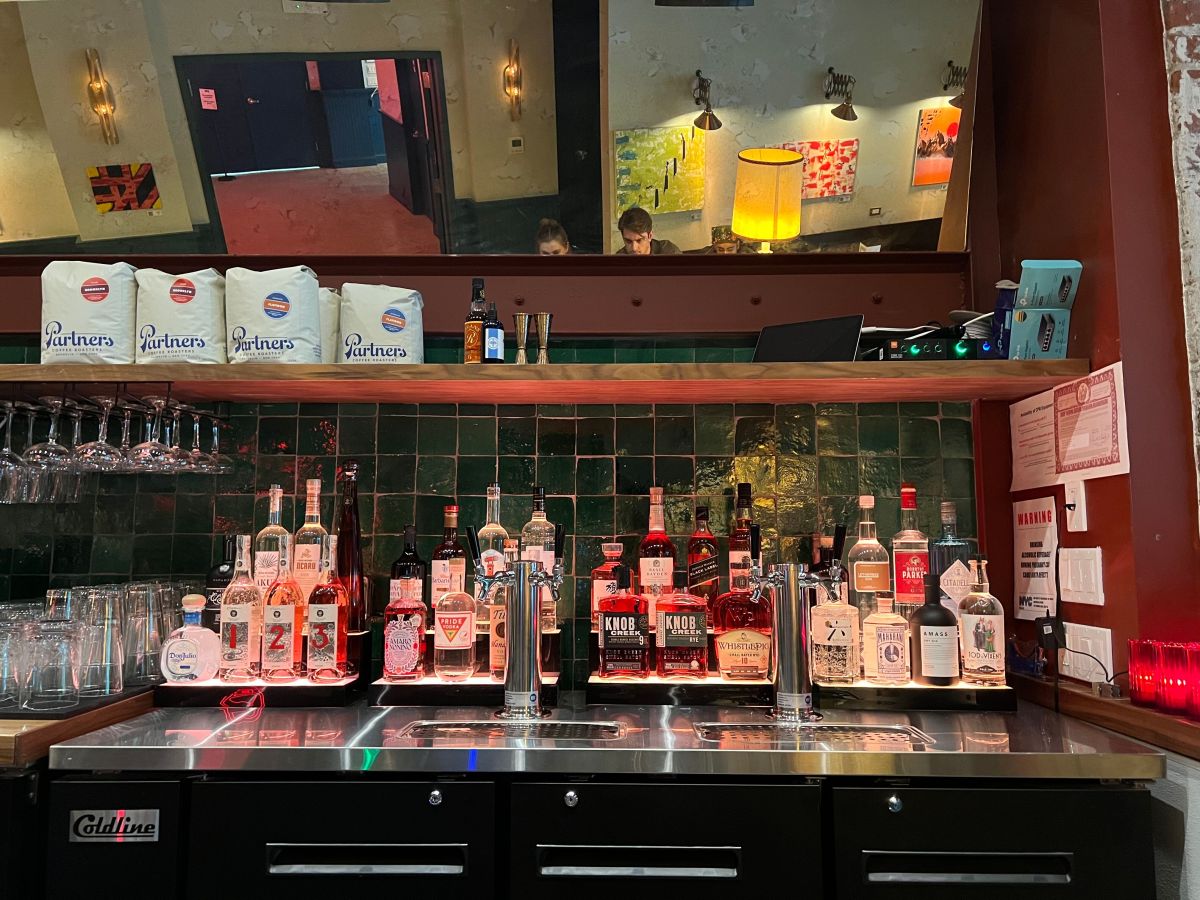
The Mouth’s bar.Photo courtesy of The Mouth

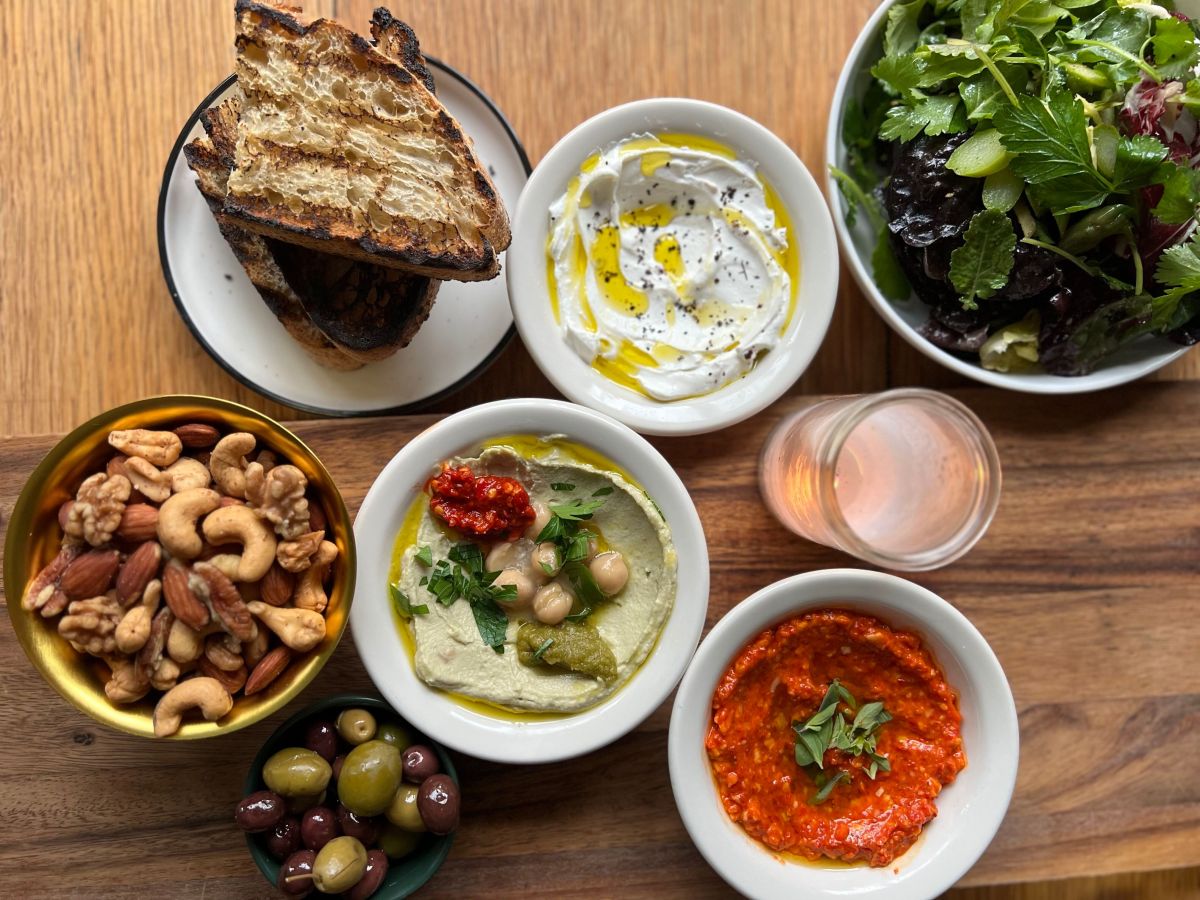
As the day and night go on, the menus rotate into happy hour, dinner and bar offerings. The dinner menu, created by Naama and Assaf Tamir of Lighthouse Restaurant, features a variety of shareables, like the assortment of dips, roasted kohlrabi, and ceviche nachos, and entrees like steak frites, sabich and mushroom pasta. 

“We open at nine o’clock in the morning and stay open through 10 or to 2 a.m. on the weekends just because we want people to melt into this space and kind of call it their own,” said Bush. “We have five menus that patrons can expect the first is our coffee bar menu from 9 a.m. until 3 p.m. This is a sort of all-day cafe-style menu, sort of akin to a lot of, European-inspired all-day cafes where patrons can enjoy. Then from 3 to 6 p.m., we run our happy hour and our full menu is available. It’s a really nice opportunity to kind of transition into the evening, when from 5 p.m. to roughly 10 p.m. we have our full dinner service.”

The bar has a selection of natural wines, creative cocktails and beer and cider. As the Beverage Director, Bush was very particular in choosing what the bar serves.

Cocktails from The Mouth.Photo courtesy of The Mouth

“Generally, I would say, we’re in a social climate right now where we have to be very specific about who we give our dollar to. Our natural wine program — that I’m very proud of — specifically sources from female, POC, and LGBT producers because the spectrum is out there and we have the ability to choose who we want to support,” said Bush. “There’s just a, a lot of intention for everything on our beverage menu. We’re really excited to feature a lot of industry moments and new things that are coming out, things that are actually of good quality and not just a quick flash in the pan.”

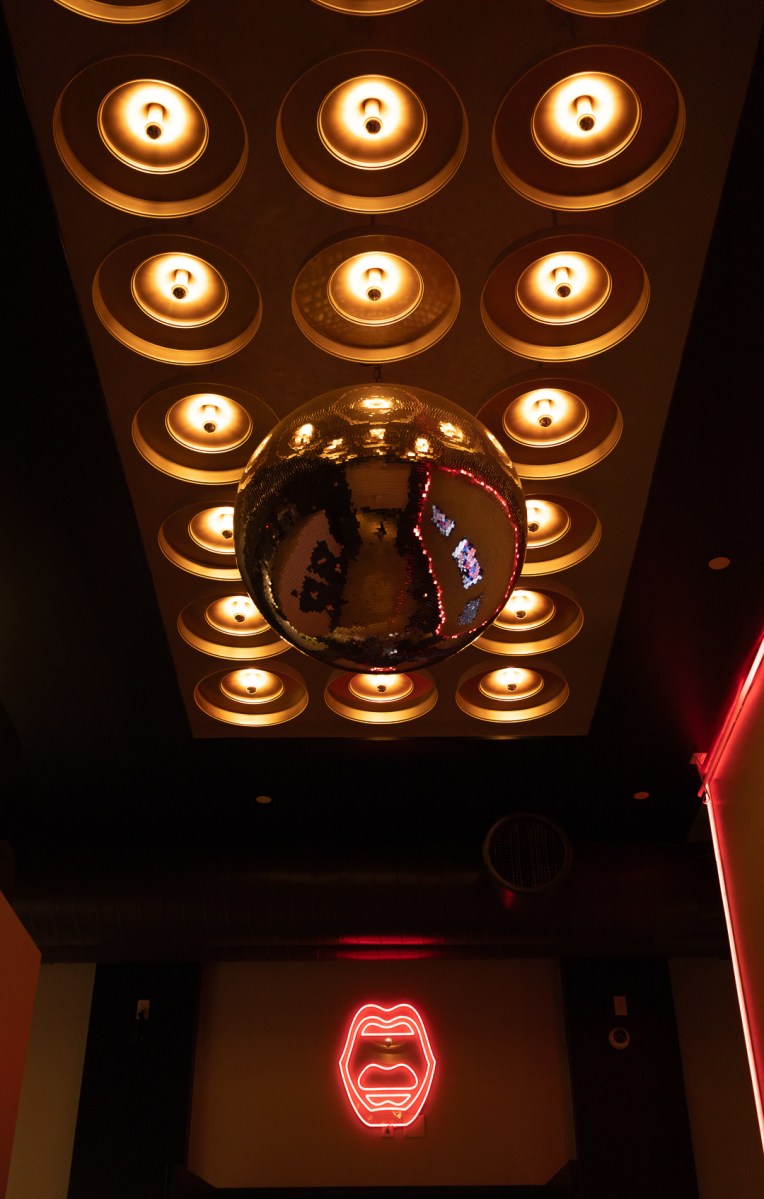
Bush says the name “The Mouth” came from the connection between the space and Brooklyn Art Haus, which allows the space to not be so serious all the time.

“We just need to be more silly about stuff like this just generally. Brooklyn Art Haus, of which we’re associated, has a mouth on its logo and the mouth for us is eating, drinking and dialogue, and togetherness,” said Bush. “We wanna be this space again where people can get out of their boxes and out of their lanes and meet each other and talk and be silly together. And The Mouth is just sort of, with all the space we occupy here, kind of emblematic of that.”

The Mouth shares a physical location with Brooklyn Art Haus and, as expected, gives guests the opportunity to fully dive into the arts scene that Williamsburg has to offer. There is a rotating gallery in the space that will highlight different artists, host live performances and even offer opportunities to check out bigger, bolder performances in the Brooklyn Art Haus space next door.
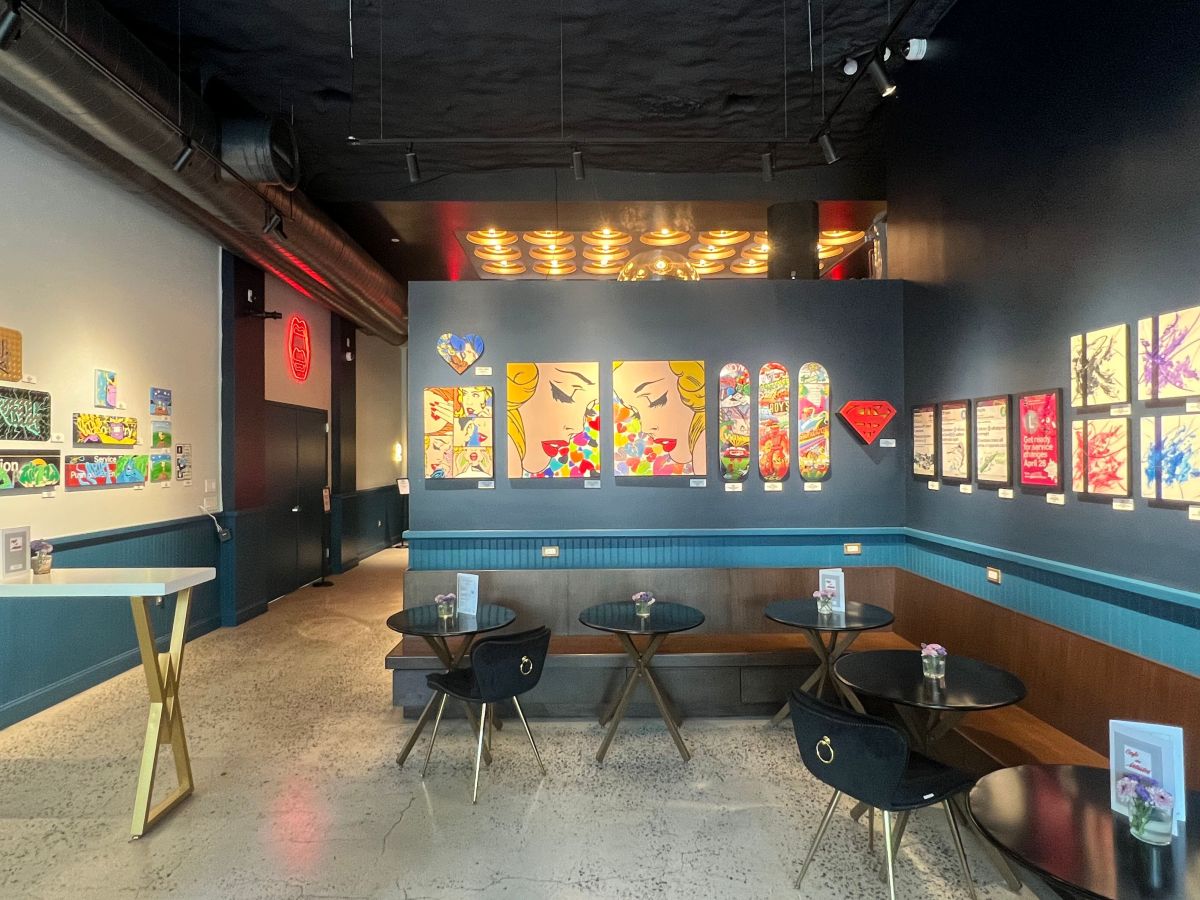
The gallery/artist space in The Mouth.Photo courtesy of The Mouth

“We’re bringing a different kind of a space just in general. One, it’s an entertainment space. Williamsburg 15 years ago was full of great music venues that are no longer here. This space is doing about seven to as many as 15 performances each week, and it co-mingles again with a really action-packed menu that just has a lot to offer,” said Bush. “I think that we have a strong desire to return to some of that. We’re a small business. We’re not part of a huge restaurant group that has a ton of properties and does a lot of price gouging in every single direction. Unfortunately, it seems to be unique in and of itself in starting a new business around here. But I would definitely say a return to togetherness through art and promoting just a lot of authenticity here and avoiding a lot of that pretension that keeps popping up.”

The Mouth celebrated its grand opening on April 6. The space hosted six shows throughout the day, as well as two shows at Brooklyn Art Haus, and a DJ spinning all night.

“We’re just excited again to have the ability for people to reserve tables for eating and drinking, but then also there’s a lot of space for people to just show up and have just a great time with all the things that we’re offering,” said Bush.

For more information about The Mouth, visit themouthbk.com.
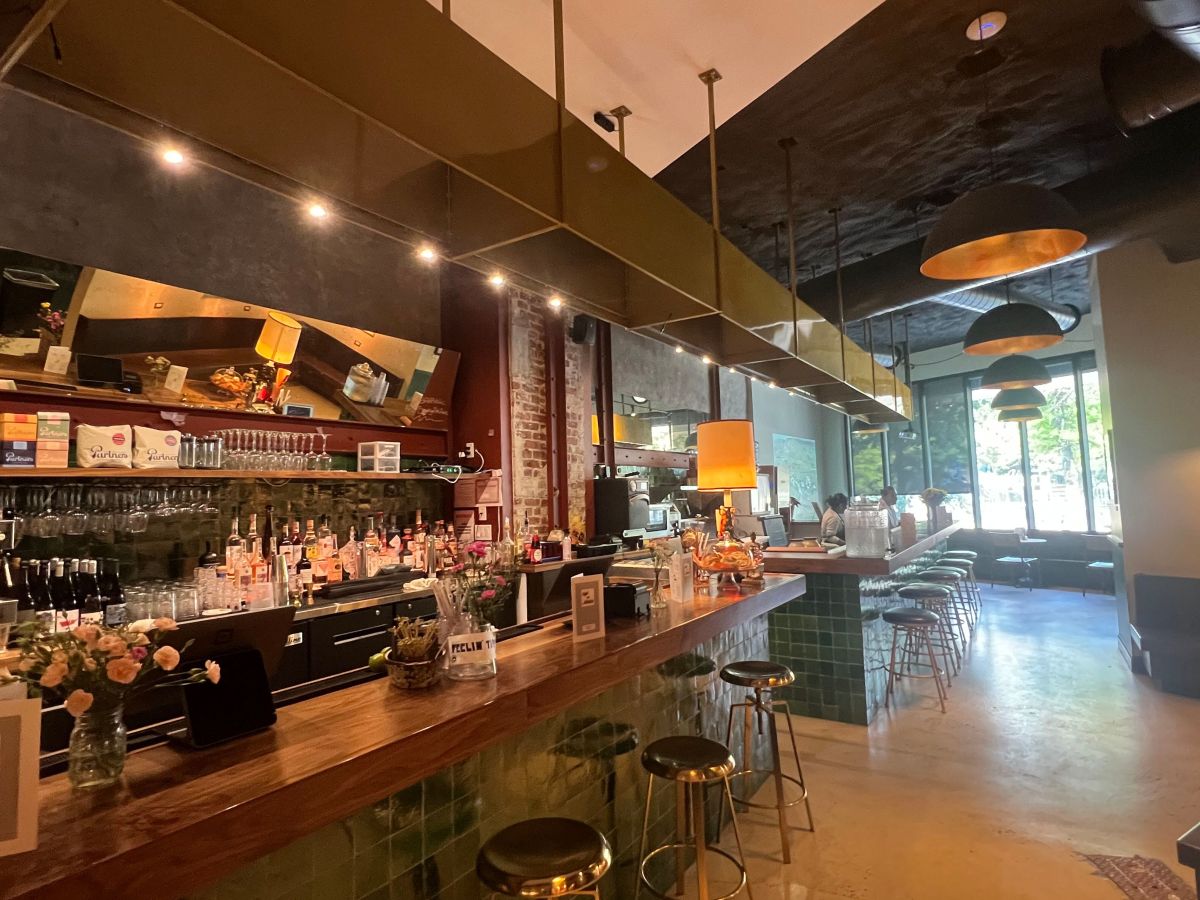
The bar at The Mouth.Photo courtesy of The Mouth Dips from The MouthPhoto courtesy of The Mouth Photo courtesy of The Mouth

Categories
Sites

Biden Administration Announces $6.6 Billion for Made in America Microchips


US-POLITICS-BIDEN

WILMINGTON, Del. — The Biden administration pledged on Monday to provide up to $6.6 billion so that a Taiwanese semiconductor giant can expand the facilities it is already building in Arizona and better ensure that the most-advanced microchips are produced domestically for the first time.

[time-brightcove not-tgx=”true”]

Commerce Secretary Gina Raimondo said the funding for Taiwan Semiconductor Manufacturing Co. means the company can expand on its existing plans for two facilities in Phoenix and add a third, newly announced production hub.

“These are the chips that underpin all artificial intelligence, and they are the chips that are the necessary components for the technologies that we need to underpin our economy,” Raimondo said on a call with reporters, adding that they were vital to the “21st century military and national security apparatus.”

The funding is tied to a sweeping 2022 law that President Joe Biden has celebrated and which is designed to revive U.S. semiconductor manufacturing. Known as the CHIPS and Science Act, the $280 billion package is aimed at sharpening the U.S. edge in military technology and manufacturing while minimizing the kinds of supply disruptions that occurred in 2021, after the start of the coronavirus pandemic, when a shortage of chips stalled factory assembly lines and fueled inflation.

The Biden administration has promised tens of billions of dollars to support construction of U.S. chip foundries and reduce reliance on Asian suppliers, which Washington sees as a security weakness.

“Semiconductors – those tiny chips smaller than the tip of your finger – power everything from smartphones to cars to satellites and weapons systems,” Biden said in a statement. “TSMC’s renewed commitment to the United States, and its investment in Arizona represent a broader story for semiconductor manufacturing that’s made in America and with the strong support of America’s leading technology firms to build the products we rely on every day.”

Taiwan Semiconductor Manufacturing produces nearly all of the leading-edge microchips in the world and plans to eventually do so in the U.S.

It began construction of its first facility in Phoenix in 2021, and started work on a second hub last year, with the company increasing its total investment in both projects to $40 billion. The third facility should be producing microchips by the end of the decade and will see the company’s commitment increase to a total of $65 billion, Raimondo said.

The investments would put the U.S. on track to produce roughly 20% of the world’s leading-edge chips by 2030, and Raimondo said they should help create 6,000 manufacturing jobs and 20,000 construction jobs, as well as thousands of new positions more indirectly tied to assorted suppliers in chip-related industries tied to Arizona projects.

The potential incentives announced Monday include $50 million to help train the workforce in Arizona to be better equipped to work in the new facilities. Additionally, approximately $5 billion of proposed loans would be available through the CHIPS and Science Act.

“TSMC’s commitment to manufacture leading-edge chips in Arizona marks a new chapter for America’s semiconductor industry,” Lael Brainard, director of the White House National Economic Council, told reporters.

The announcement came as U.S. Treasury Secretary Janet Yellen is traveling in China. Senior administration officials were asked on the call with reporters if the Biden administration gave China a head’s up on the coming investment, given the delicate geopolitics surrounding Taiwan. The officials said only that their focus in making Monday’s announcement was solely on advancing U.S. manufacturing.

“We are thrilled by the progress of our Arizona site to date,” C.C. Wei, CEO of TSMC, said in a statement, “And are committed to its long-term success.”


Categories
Sites

Actually, It’s OK to Slouch


Two bright slouching flowers, one is a daisy one is a poppy

One of the latest and surprising findings in the field of physical therapy is that slouching is not as bad as we think it is. Certain researchers have gone so far as to say that the conventional fear mongering regarding poor posture can actually be more harmful than slouching itself.  Undoing over a century’s worth of public health messaging about the evils of poor posture—let alone the custom of elders telling youngsters to “sit up straight”—will be a monumental task.

[time-brightcove not-tgx=”true”]

I know because I’ve spent the better part of a decade researching the so-called “poor posture epidemic” of the 20th century, studying the myriad ways in which posture panic has become part of the fabric of our everyday lives. What I’ve found is that some of our most cherished beliefs about posture health are unexamined remnants of cultural and political concerns from the past.  

At the turn of the century, the idea that poor posture posed a serious population-wide health threat became entrenched in American public and popular health culture, thanks in part to the then-burgeoning fields of evolutionary medicine and paleoanthropology. Applying the theories of Charles Darwin to medical practice, early posture advocates such as Jessie H. Bancroft, R. Tait McKenzie, and Eliza M. Mosher—founders of the American Posture League –began to argue that without proper preventative health treatment, bipedalism might actually be an inherent weakness to human functioning, causing organ prolapses and other musculoskeletal problems not found among quadrupedal non-human animals.

The first study to report on the extent of the problem—the 1917  “Harvard Slouch” study – found that 80% of Americans had bad posture. This spurred further nationwide studies at universities, workplaces, and within the military for much of the twentieth century, all of which came to a similar conclusion. Along the way, industrialists learned that the poor posture epidemic was good for business, leading to new, lucrative markets in ergonomic chairs, back braces, shoes, and fitness regimes, such as yoga and Pilates.

By the mid 20th century, poor posture came to be seen as the culprit for rising rates of low back pain, even though little hard evidence existed to prove such claims of causality. President John F. Kennedy, who had repeated back surgeries and chronic pain, hired his own personal posture guru, Hans Kraus, a man who would go on to create one of the most well-known posture and fitness tests administered to hundreds of thousands public school children throughout the Cold War. It was in this cultural and political context of containment that uprightness became a symbol of patriotism, heterosexual propriety, and individualist strength, all virtues believed to be needed in order to defeat the threat of communism.

And yet even after the Cold War came to an end, the belief in the causality between poor posture and future ill health remained largely unquestioned .

Today, epidemiologists estimate that approximately 568.4 million cases of disabling low back pain exist worldwide, with the highest prevalence seen in the United States, with Denmark and Switzerland following close behind. The causes appear to be many, from low socioeconomic status and biomechanical strain to poor diet and psychosocial stress. In the U.S., spending on low back pain exceeds that of hundreds of other health conditions (including diabetes), with an estimated $134.5 billion dollars devoted to the condition in 2016.

Read More: Getting Back Pain While Working From Home? An Ergonomics Expert Offers Advice

Similar to a century ago, today’s evolutionary biologists continue to puzzle over human upright posture. Italian evolutionist, Telmo Pievani tells us that “the transition to bipedalism generated negative consequences in almost every part of the body.” Of course, one might reasonably wonder why, evolutionarily speaking, such an imperfection would be passed down from generation to generation. Wouldn’t natural selection weed out this kind of physical weakness?

According to Harvard paleoanthropologist Daniel Lieberman, conditions of poor posture, back pain, and obesity belong to a group of diseases which he calls “mismatch diseases,” maladies that arise due to novel environmental conditions for which the human body is poorly adapted. Lieberman, similar to evolutionists before him, blame industrialization for back pain. He contends that “from the body’s perspective, many developed nations have recently made too much progress. For the first time in human history,” he continues, “a larger number of people face excesses rather than shortages of food. Two out of three Americans are overweight or obese.” Obesity is not the only concern. “Depending on where you live and what you do,” Lieberman warns in his book, The Story of the Human Body, “your chances of getting low back pain are between 60–90 percent.”

In order to solve this (evolutionarily speaking) new problem of industrialized peoples, certain therapeutic body workers and self-designated ethnophysiologists have looked to indigenous populations who exhibit “primal posture.” One of the most prominent North American adherents to this approach is Esther Gokhale. Raised in India by European parents and later educated at Harvard and Princeton in biochemistry, Gokhale today is known as the “posture guru” of Silicon Valley, where she treats corporate heads of Google, Facebook, and other prominent online personalities, such as conservative journalist Matt Drudge. Gokhale developed an interest in human posture at a young age. With a tendency to exoticize, Gokhale recalls of her childhood in India, “I remember listening to my Dutch mother marvel at how gracefully our Indian maid went about her duties and how easily the laborers in the street carried their burdens.” Later in life, she documented the spinal health of indigenous peoples in Burkina Faso and Ecuador, photographing potters, basket makers, weavers, and head-carriers whom she admired for their ideal postures. Thereafter, she undertook training with Noëlle Perez, founder of the Aplomb method in Paris and one of the first Europeans to study under the Indian yoga master, B.K.S. Iyengar.

Largely devoid (at least at the outset) of breathing and meditative practices, Iyengar developed arguably the most biomedically friendly systems of yoga to come out of modern India, especially with its emphasis on biomechanical alignment and symmetry. When Perez opened her own Iyengar-inspired studio in Paris in the 1970s, she undertook doctoral studies in ethnophysiology at the École des Hautes Études en Sciences Sociales and researched nonindustrialized peoples of sub-Saharan Africa, where she claimed to have found bodies in what she called natural “aplomb.” Gokhale followed in Perez’s footsteps, and today contends that “most known risk factors [for back pain] can be mitigated by good posture.”

Gokhale’s insistence on the virtues of paleo posture align well with the 21st-century fitness industry, an enterprise known for creating slogans such as “sitting is the new smoking” and encouraging products that promote “primitive” eating and living. As in the early years of the poor posture epidemic, the evolutionary approach to understanding human posture—and now, by extension, low back pain—is good for the commercial marketplace. According to market analysts, posture correction technologies are expected to grow approximately 5.7 percent over the next five years, especially with rising demands due to the COVID-19 pandemic, with more at-home workers complaining of back pain.

On the face of it, posture improvement campaigns may seem rather innocuous. What is the harm, after all, of engaging in posture exercise programs? Of buying chairs, shoes, and devices that help to encourage it?

On an individual level, it is entirely possible that an enhanced sense of wellness can come from taking up yoga or purchasing an ergonomic chair. But when looking at the long history of posture improvement campaigns from an historical and structural standpoint, it becomes evident how value-laden they are, and how they can perpetuate sexism, ableism, and racism.

For example, scholars have, for some time, been aware of how, under the systems of slavery and colonialism, white men of science frequently assumed that Black and other non-white peoples could not feel pain, or if they did, it was felt less acutely compared to whites. Knowing this, one cannot help but wonder if the same bias has informed the work of today’s paleoanthropologists and ethnophysiologists, experts who observe so-called hunter-gatherers in Africa and deem such lifestyles to be pain free.

The social stakes of slouching are also higher for the politically marginalized.  In recent years, researchers have found that, even today, prosecutors cite poor posture as a reason to deny African American men jury selection. In his autobiography about growing up in South Africa, comedian and political commentator Trevor Noah succinctly addresses the extra vigilance required of Black men and their posture in a white supremist society. “For centuries,” he writes, “colored people were told: Blacks are monkeys. Don’t swing from the trees like them. Learn to walk upright like the white man.”               

Over the last century, health—and especially preventive health—has become increasingly commercialized: a product to be bought and sold, with the responsibility placed on individual consumers, making it a good that only those with a certain income can afford, rather than an ensured right for all. Those who cannot participate in the market are viewed as leading mismanaged lives, and when they sustain an injury that leads to permanent physical disability, are blamed for their condition. As long as posture surveillance is believed prevent low back pain, many posture and back health wellness programs are liable to create even greater health inequalities rather than mitigate them.

A recent study published by physical therapists working in Qatar, Australia, Ireland, and the United Kingdom speaks to the urgent need of the profession to dispel the medicalized myth that poor posture leads to bad health. “People come in different shapes and sizes,” they write, “with natural variation in spinal curvatures.”

In short, there is no single, correct posture. Nor does posture correction necessarily ensure future health. Maybe it’s ok to slouch from time to time, after all.

Excerpted from SLOUCH: POSTURE PANIC IN AMERICA © 2024 by Beth Linker. Reprinted by permission of Princeton University Press.


Categories
Sites

Trump calls for states to determine their own abortion rules, favors exceptions


(NewsNation) — Former President Donald Trump said Monday it’d be best if states handled abortion the way their constituents want.

He said he’s in favor of exceptions for rape, incest and life of the mother. He also said he “strongly” supports fertility treatments.

In his announcement on TruthSocial, Trump repeated debunked claims that most legal scholars wanted Roe v. Wade overturned and that Democrats support “execution” of viable babies.

The announcement was long-anticipated because Democrats view abortion as a winning topic for them. Polling has consistently shown that most Americans believe abortion should be legal through the initial stages of pregnancy. About half of U.S. adults said abortions should be permitted at the 15-week mark, according to an Associated Press-NORC Center for Public Affairs Research poll conducted last June.

Data compiled by the Centers for Disease Control and Prevention show that the vast majority of abortions from 2012 to 2021 were performed within the first 13 weeks of pregnancy.

This is a breaking news story and will be updated

The Associated Press contributed to this report


Categories
Sites

Vatican Calls Gender-Affirming Surgery, Surrogacy a Threat to Human Dignity in New Document


Vatican Pool Images 2024

VATICAN CITY — The Vatican on Monday declared gender-affirming surgery and surrogacy as grave threats to human dignity, putting them on par with abortion and euthanasia as practices that violate God’s plan for human life.

The Vatican’s doctrine office issued “Infinite Dignity,” a 20-page declaration that has been in the works for five years. After substantial revision in recent months, it was approved March 25 by Pope Francis, who ordered its publication.

[time-brightcove not-tgx=”true”]

In its most eagerly anticipated section, the Vatican repeated its rejection of “gender theory” or the idea that one’s gender can be changed. It said God created man and woman as biologically different, separate beings, and said they must not tinker with that plan or try to “make oneself God.”

“It follows that any sex-change intervention, as a rule, risks threatening the unique dignity the person has received from the moment of conception,” the document said.

It distinguished between gender-affirming surgeries, which it rejected, and “genital abnormalities” that are present at birth or that develop later. Those abnormalities can be “resolved” with the help of health care professionals, it said.

The document’s existence, rumored since 2019, was confirmed in recent weeks by the new prefect of the Dicastery for the Doctrine of the Faith, Argentine Cardinal Víctor Manuel Fernández, a close Pope Francis confidante.

He had cast it as something of a nod to conservatives after he authored a more explosive document approving blessings for same-sex couples that sparked criticism from conservative bishops around the world, especially in Africa.

And while rejecting gender theory, the document takes pointed aim at countries — including many in Africa — that criminalize homosexuality. It echoed Francis’ assertion in a 2023 interview with The Associated Press that “being homosexual is not a crime” making the assertion now part of the Vatican’s doctrinal teaching.

The new document denounces “as contrary to human dignity the fact that, in some places, not a few people are imprisoned, tortured, and even deprived of the good of life solely because of their sexual orientation.”

The document is something of a repackaging of previously articulated Vatican positions. It restates well-known Catholic doctrine opposing abortion and euthanasia, and adds to the list some of Francis’ main concerns as pope: the threats to human dignity posed by poverty, war, human trafficking and forced migration.

In a newly articulated position, it says surrogacy violates both the dignity of the surrogate mother and the child. While much attention about surrogacy has focused on possible exploitation of poor women as surrogates, the Vatican document focuses almost more on the resulting child.

“The child has the right to have a fully human (and not artificially induced) origin and to receive the gift of a life that manifests both the dignity of the giver and that of the receiver,” the document said. “Considering this, the legitimate desire to have a child cannot be transformed into a ‘right to a child’ that fails to respect the dignity of that child as the recipient of the gift of life.”

The Vatican published its most articulated position on gender in 2019, when the Congregation for Catholic Education rejected the idea that people can choose or change their genders and insisted on the complementarity of biologically male and female sex organs to create new life.

It called gender fluidity a symptom of the “confused concept of freedom” and “momentary desires” that characterize post-modern culture.

The new document from the more authoritative Dicastery for the Doctrine of the Faith quotes from that 2019 education document, but tempers the tone. Significantly, it doesn’t repurpose the 1986 language of a previous doctrinal document saying that homosexual people deserve to be treated with dignity and respect but that homosexual actions are “intrinsically disordered.”

Francis has made reaching out to LGBTQ+ people a hallmark of his papacy, ministering to trans Catholics and insisting that the Catholic Church must welcome all children of God.

But he has also denounced “gender theory” as the “worst danger” facing humanity today, an “ugly ideology” that threatens to cancel out God-given differences between man and woman. He has blasted in particular what he calls the “ideological colonization” of the West in the developing world, where development aid is sometimes conditioned on adopting Western ideas about gender and reproductive health.

“It needs to be emphasized that biological sex and the sociocultural role of sex (gender) can be distinguished but not separated,’” the new document said.

Transgender Christians immediately called the document “hurtful” and devoid of the voices and experiences of real trans people, especially in its distinction between transgender people and intersex people.

“The suggestion that gender-affirming health care — which has saved the lives of so many wonderful trans people and enabled them to live in harmony with their bodies, their communities and (God) — might risk or diminish trans peoples’ dignity is not only hurtful but dangerously ignorant,” said Mara Klein, a nonbinary, transgender activist who has participated in Germany’s church reform project.

“Seeing that in contrast surgical interventions on intersex people — which if performed without consent especially on minors often cause immense physical and psychological harm for many intersex people to date — are assessed positively just seems to expose the underlying hypocrisy further,” Klein said.

The document comes at a time of some backlash against transgender people, including in the United States where Republican-led state legislatures are considering a new round of bills restricting medical care for transgender youths — and in some cases, adults. In addition, bills to govern youths’ pronouns, sports teams and bathrooms at school are also under consideration, as well as some books and school curriculums.

“On top of the rising hostility towards our communities, we are faced with a church that does not listen and refuses to see the beauty of creation that can be found in our biographies,” Klein said in an email.


Categories
Sites

Col. Douglas Macgregor: Israel Is Desperate.


Col. Douglas Macgregor: Israel Is Desperate.

The post Col. Douglas Macgregor: Israel Is Desperate. first appeared on The Ocean Avenue News – The News And Times.


Categories
Sites

@SvobodaRadio: RT @SvobodaRadio: “Зимой прорывы теплосетей, весной – дамб и плотин, летом ждем засуху и лесные пожары, осенью, похоже, снова наводнения”Ка…


“Зимой прорывы теплосетей, весной – дамб и плотин, летом ждем засуху и лесные пожары, осенью, похоже, снова наводнения”Катастрофы в Оренбургской области не случилось бы, если бы власти тратили деньги на ремонт и строительство, а не на войну, пишут в блогах https://t.co/M77oNr2nVF

— Радио Свобода (@SvobodaRadio) April 8, 2024

The post @SvobodaRadio: RT @SvobodaRadio: “Зимой прорывы теплосетей, весной – дамб и плотин, летом ждем засуху и лесные пожары, осенью, похоже, снова наводнения”Ка… first appeared on The Ocean Avenue News – The News And Times.


Categories
Sites

@Newsweek: RT @Newsweek: Donald Trump panics as poll numbers slide https://t.co/IsC1hewlty https://t.co/AK1zRvPzIH


Donald Trump panics as poll numbers slide https://t.co/IsC1hewlty pic.twitter.com/AK1zRvPzIH

— Newsweek (@Newsweek) April 8, 2024

The post @Newsweek: RT @Newsweek: Donald Trump panics as poll numbers slide https://t.co/IsC1hewlty https://t.co/AK1zRvPzIH first appeared on The Ocean Avenue News – The News And Times.