Georgian Dream files complaint with the BBC
The Georgian government has filed an official complaint with the British public broadcaster BBC, demanding the removal of a previously published article and documentary, as well as a public apology.
Georgia’s ruling party, Georgian Dream, says the BBC breached editorial standards and the principles of accuracy and impartiality. It argues that the broadcaster presented unsubstantiated claims as established facts.
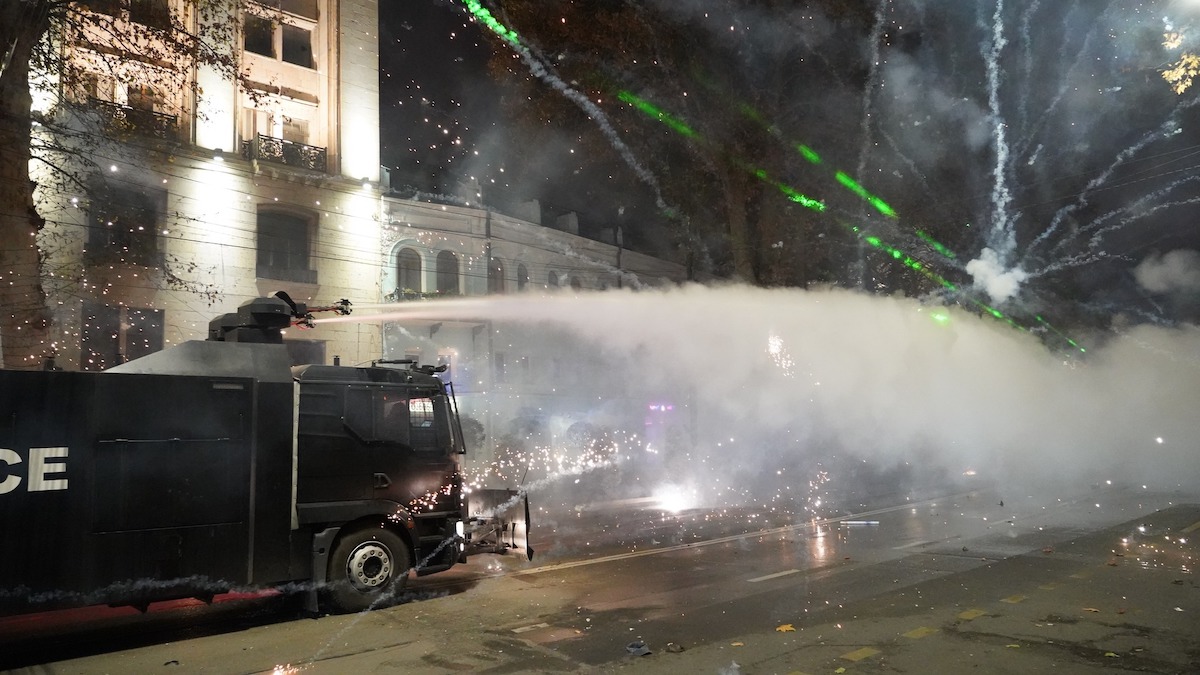
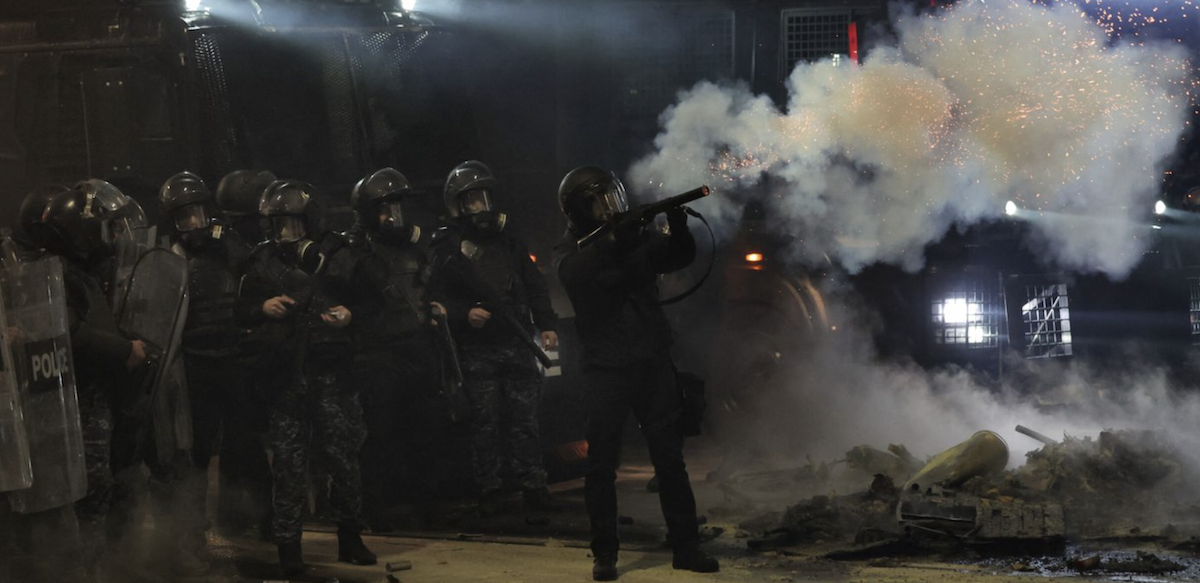
The complaint concerns a BBC report that suggests Georgian authorities used “kamite” — a First World War-era chemical weapon — during the dispersal of protests in Georgia in 2024.
According to Georgia’s parliamentary speaker Shalva Papuashvili, the government sent the complaint to the BBC on 14 January. He said the complaint relies entirely on the BBC’s own editorial guidelines, the broadcasting code of the UK communications regulator Ofcom, and the case law of the European Court of Human Rights.
Papuashvili said claims about the use of “camite” do not rest on any independent or credible sources. He added that an investigation carried out by the Georgian authorities found that the substance had never been used and had never been in the possession of the country’s interior ministry. On this basis, Papuashvili accused the BBC of a “gross violation” of its obligations to ensure accuracy.
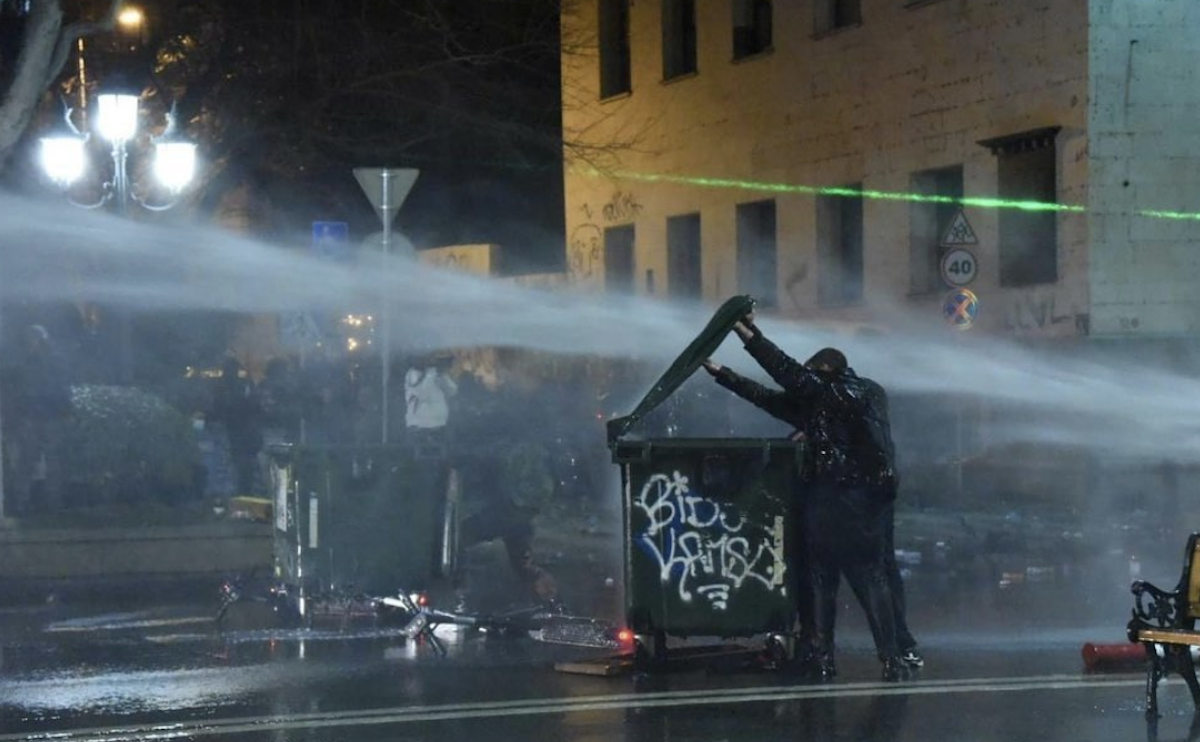
The ruling party also says the BBC portrayed events as if protesters did not use violence against law enforcement officers and as if the dispersal of rallies lacked any justification. Shalva Papuashvili said this amounted to a “misinterpretation of the facts” and failed to reflect the full picture.
Papuashvili also said the BBC “falsely and without reliable evidence” claimed that Bidzina Ivanishvili, the honorary chairman of Georgian Dream, took part in decision-making over the dispersal of what the authorities describe as “violent gatherings” in 2024.
“A serious problem is also the breach of the principle of impartiality,” Papuashvili said. “The programme promotes a clearly one-sided narrative. It presents the Georgian authorities as organisers of violence and portrays them as ‘pro-Russian’ and ‘acting in Russia’s interests’.”
He added that the coverage ignored the government’s position, official explanations from law enforcement agencies and the broader context required for an objective assessment of the events.
Shalva Papuashvili also accused the BBC of breaching the right to a fair reply. He said the broadcaster contacted the Georgian authorities only a few days before publication. According to Papuashvili, this left insufficient time to provide a full response.
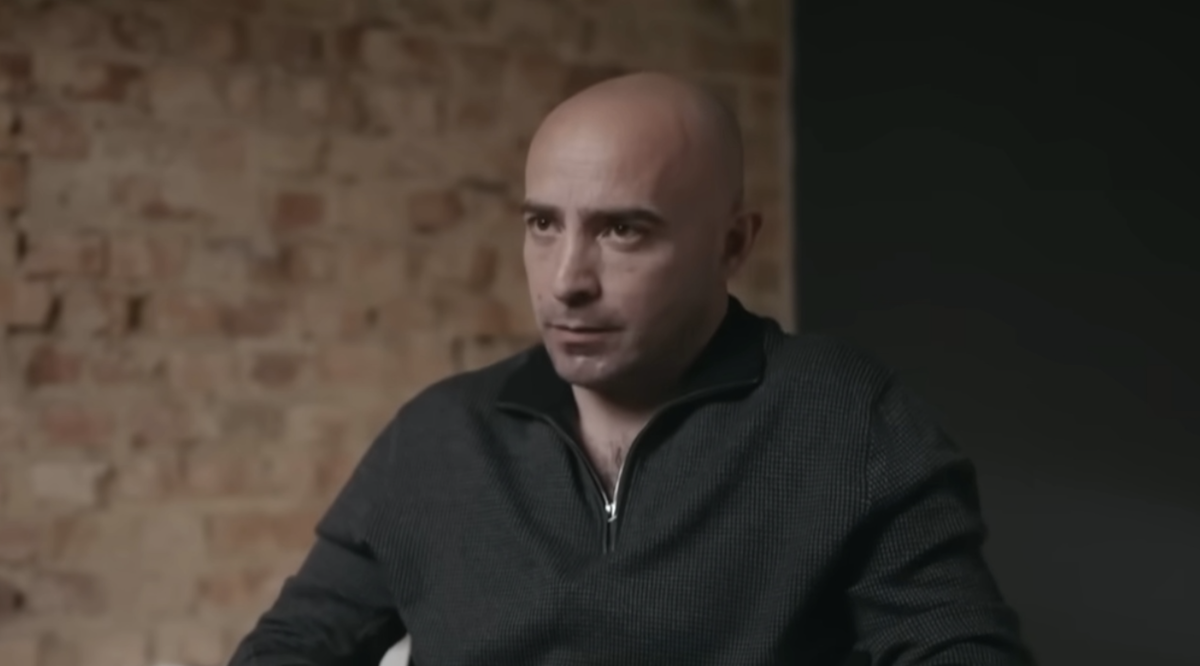
He also pointed to what he described as “elements of defamation”. Papuashvili said the programme relied on statements by specific individuals without disclosing their credibility, possible conflicts of interest or background to the audience.
“As a result, viewers receive a distorted picture in which assumptions and hypotheses are presented as established facts,” Papuashvili said.
He added that if the BBC fails to correct the alleged violations, the next step will involve a complaint to the UK communications regulator Ofcom, followed by legal action in British courts. Papuashvili also said he does not rule out an appeal to the European Court of Human Rights.
Georgian Dream files complaint with the BBC
The post Georgian government files complaint with BBC first appeared on The South Caucasus News – SouthCaucasusNews.com.