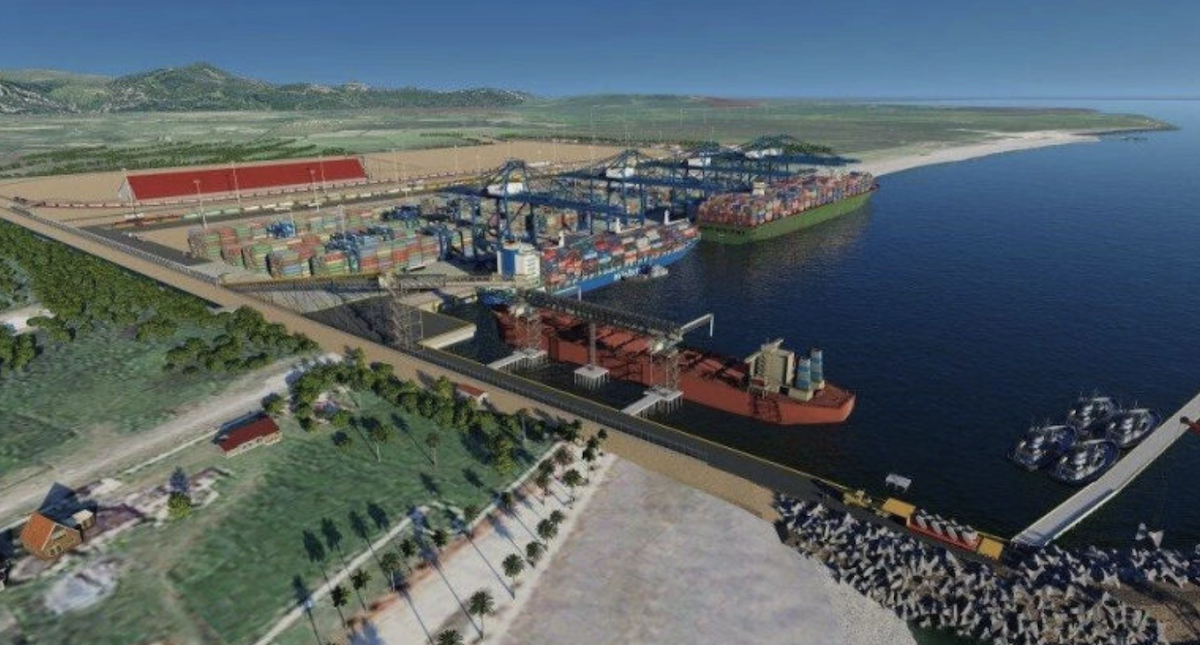
The halt to construction of the Anaklia port
By suspending the construction of the deep-water Anaklia port, Georgia missed an opportunity to become a global transport hub in the region and a genuine alternative to routes passing through Russia, the Transport Corridor Research Centre (TCRC) says.
According to the centre, halting the project cut Georgia off from Central and Eastern Europe as well as from growing cargo flows between Central Asia and China, allowing Russia to quickly fill the resulting vacuum.
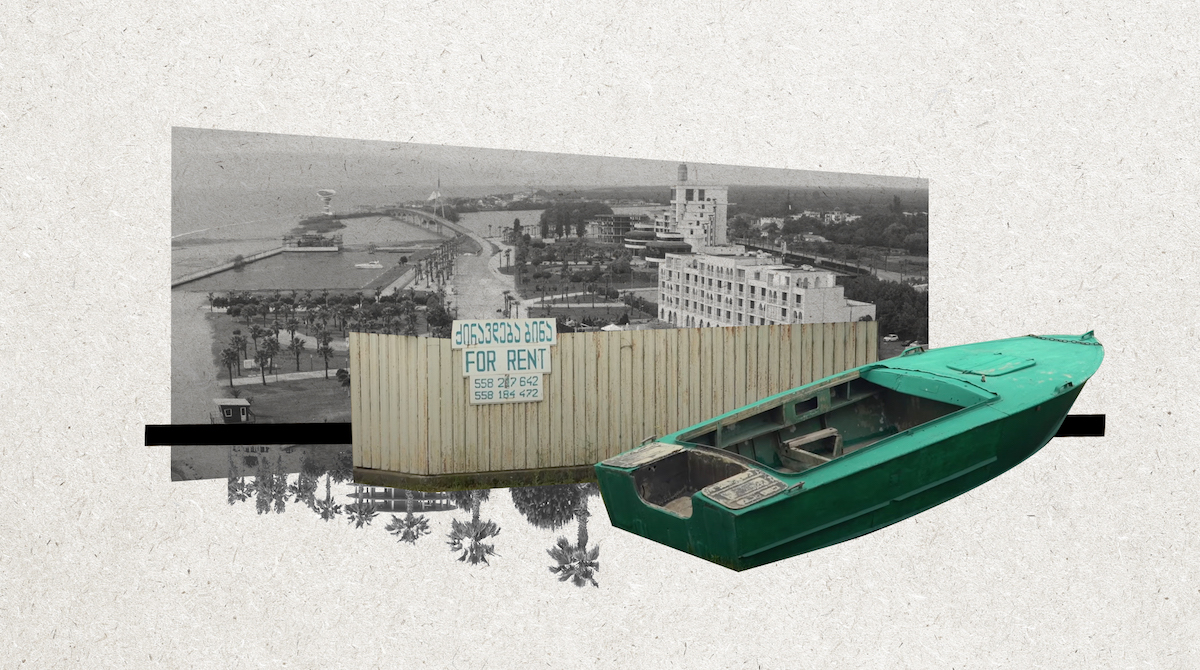
In its statement, TCRC stresses that the Anaklia port was originally conceived as a strategic hub on the eastern coast of the Black Sea, capable of handling large vessels from Africa, the Americas and Asia. This would have made Anaklia a key distribution point for cargo flows to the Caucasus, Central Asia and China.
The centre says that by stopping the project, Georgia also missed the chance to attract so-called “reverse” cargo flows from Central and Eastern Europe, including Poland and Romania. These routes could have been linked to Central Asia and China via Anaklia, bypassing congested Russia–Belarus border corridors. This, TCRC argues, has given Russia an additional advantage, allowing it to strengthen its own transport corridors.
At the same time, in the Caspian Sea basin, Azerbaijan, Kazakhstan and Turkmenistan have significantly expanded their port capacities, while Georgia’s stretch of the Black Sea coast has been left without a deep-water port.

According to TCRC, the Anaklia project could have helped reduce Central Asia’s dependence on Russian infrastructure for its exports. With the project suspended, control over these cargo flows has once again become concentrated in Russian ports and rail networks.
Beyond the economic impact, the centre also points to social and institutional losses. It says the halt to the project led to the loss of jobs linked to modern technologies and weakened Georgia’s ability to present itself as a diversified and predictable economic partner in the process of integration with the European Union.
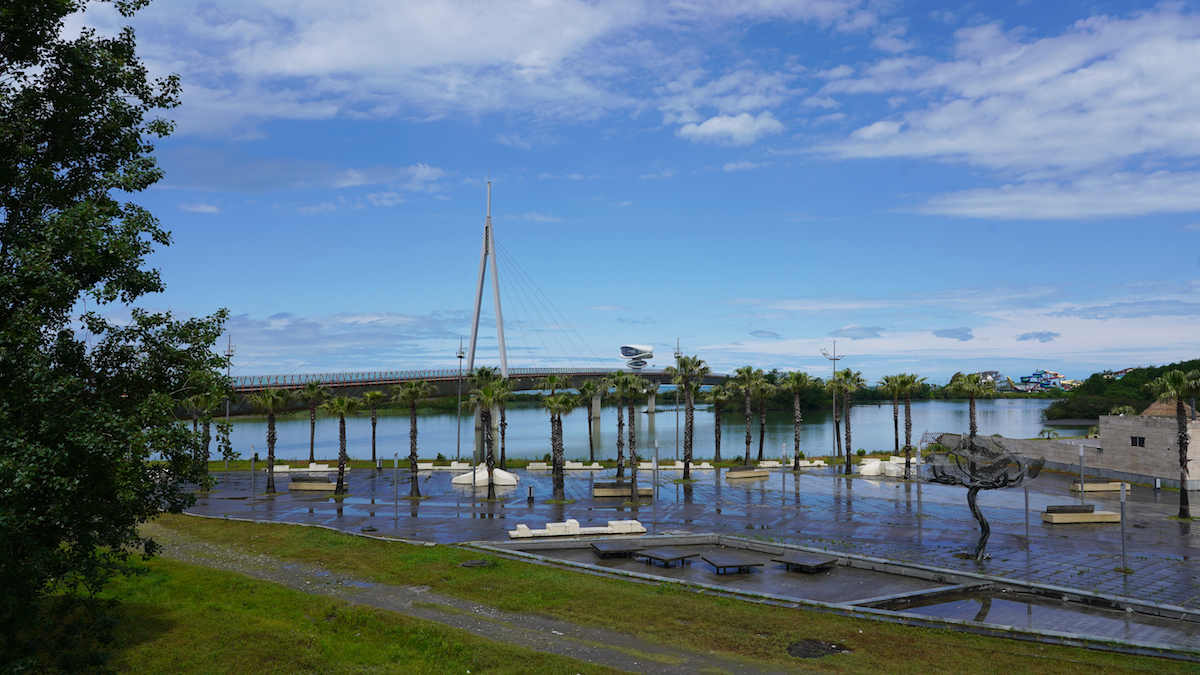
Another concern is the risk of a decline in US and European investment. The centre says the withdrawal of US companies Conti Group and SSA Marine from the project was seen as a negative signal for Western investors. It adds that the abandonment of the so-called “English law” framework planned under the project has reduced the appeal of Georgia’s jurisdiction for international logistics and shipping companies.
While acknowledging some objective reasons for suspending the Anaklia project — including the corridor’s low competitiveness, border-crossing difficulties and the lack of a coordinated tariff policy — TCRC nevertheless concludes that the Georgian government’s decision had far-reaching strategic consequences.
новости в ГрузииThe halt to construction of the Anaklia portновости в Грузии
The post What did Georgia lose by halting Anaklia port project? first appeared on The South Caucasus News – SouthCaucasusNews.com.